
Lo-fi Loops
Role: AI generative pipeline, design, animation, compositing
Client: [withheld]
In the world of gaming culture, "vibe" is everything.
It’s the low hum of a neon light and the cozy sanctuary of a midnight run.
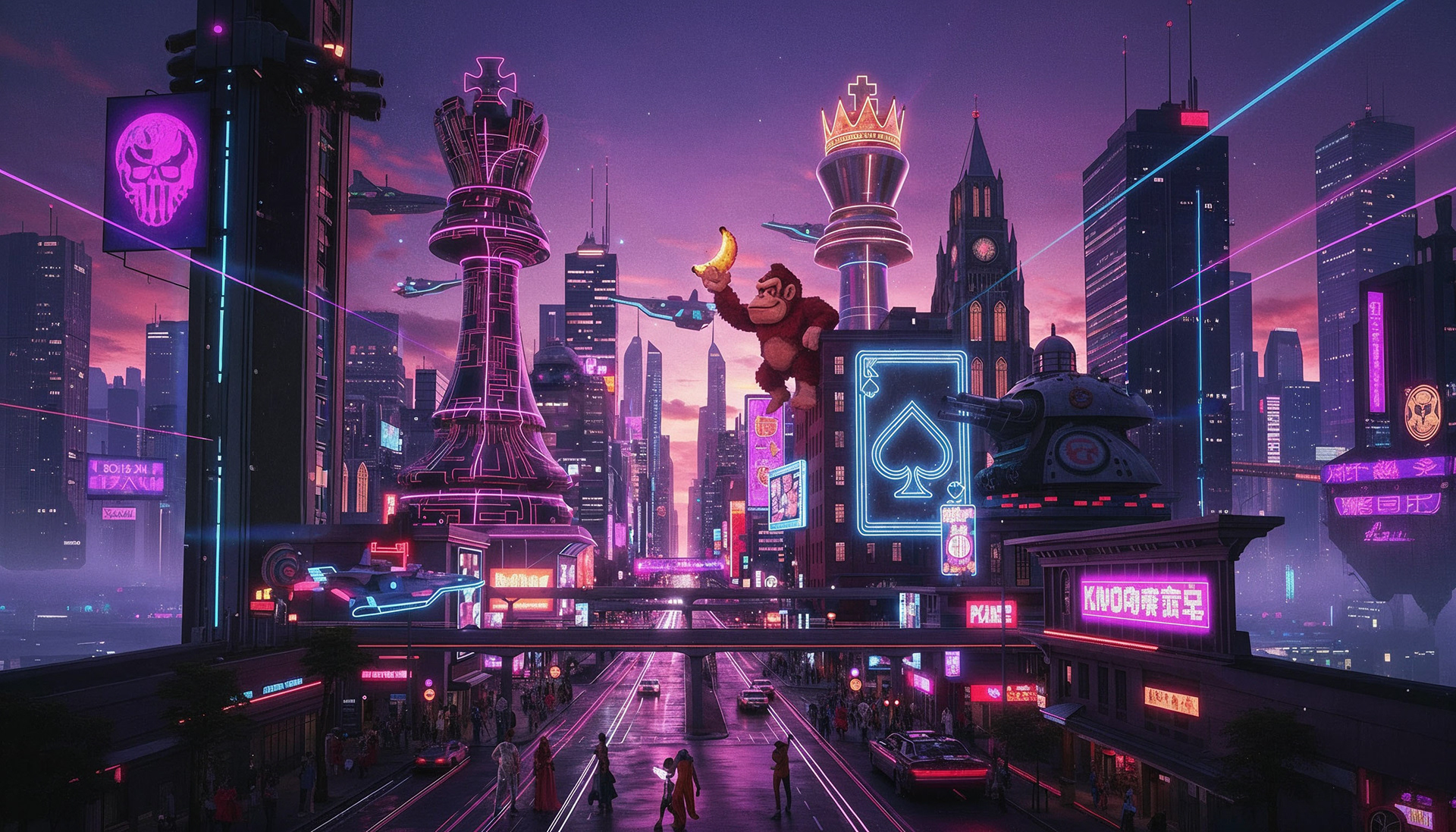
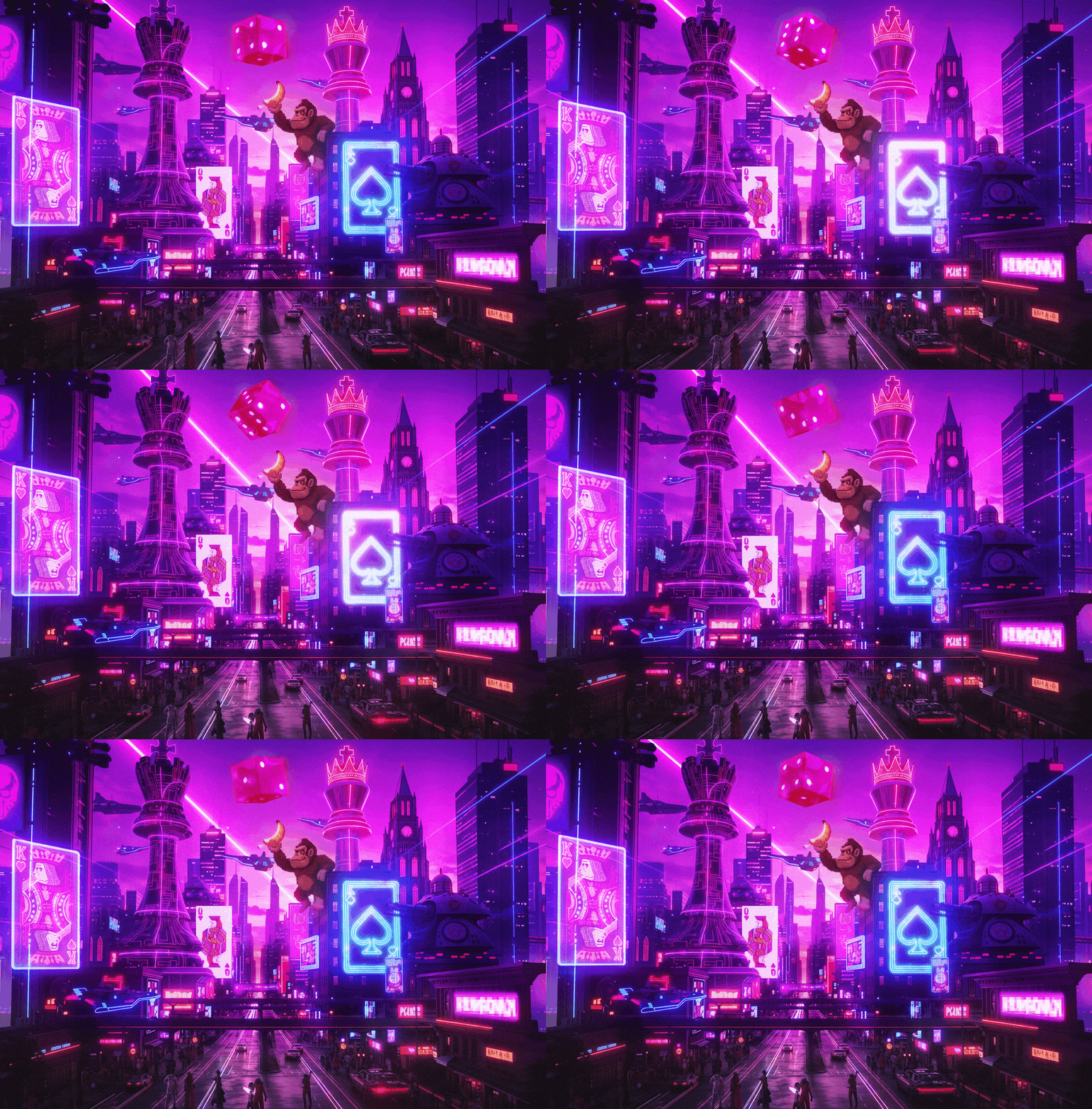
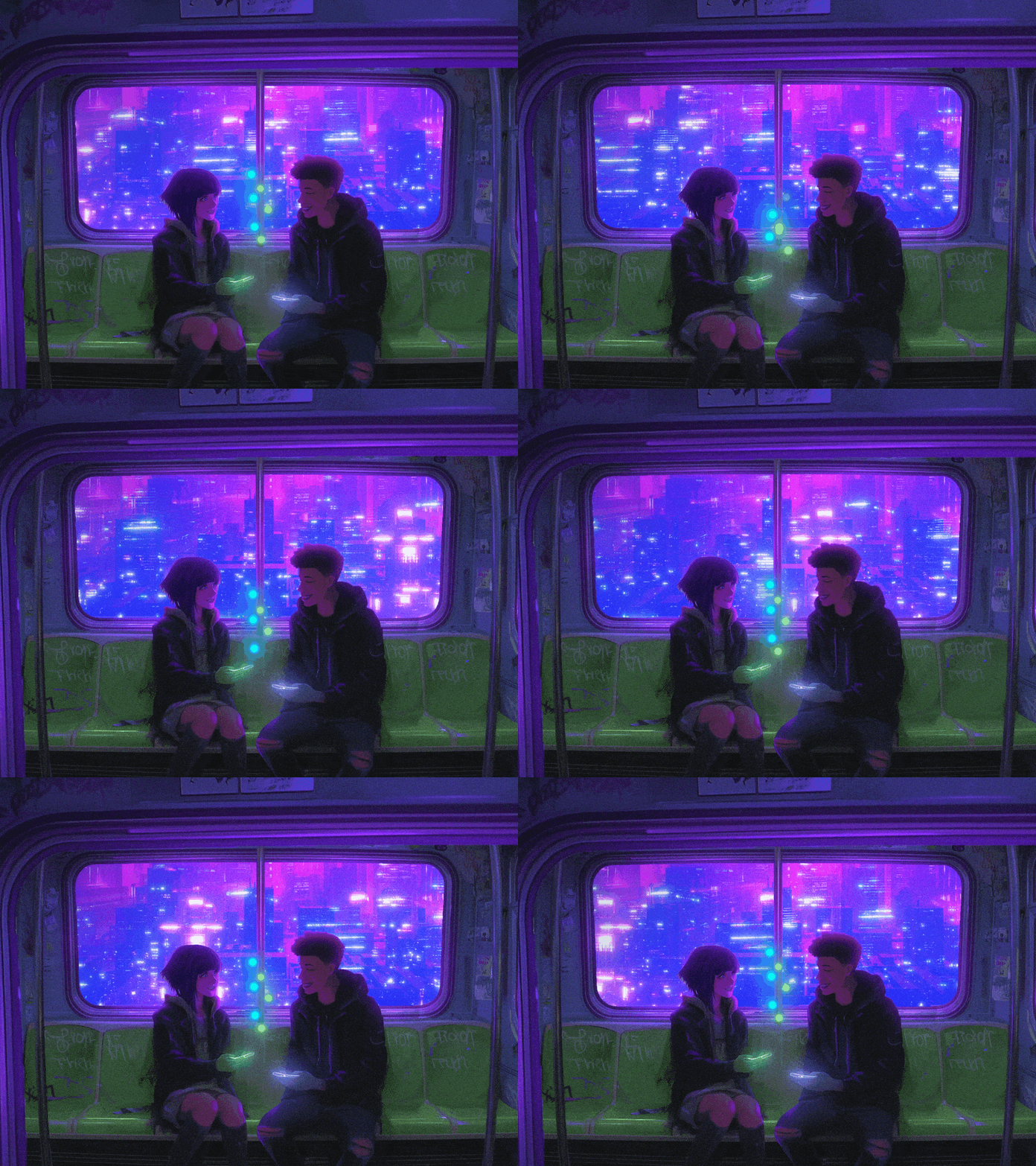
For this fast turnaround secret project we were asked to bottle that essence into a series of lo-fi looping tiles. Digital dioramas acting as windows into a subculture.
The brief was specific: create a cohesive set of loops that represent core gamer themes while maintaining a semi-unified art style. Crafting all the assets by the deadline required, while achieving that "art set" feeling, required a delicate balance between high-tech exploration and tight creative oversight.
The Workflow: A Hybrid Playground
Given open license to use generative AI tools we jumped at this project. However we didn’t want to just use AI. Gen AI is an amazing tool for the modern studio, but far from the magic wand that can conjure exactly what is desired at the first prompt. We wanted to integrate AI into a traditional studio pipeline creating a non-linear dance between traditional craftsmanship and generative speed.
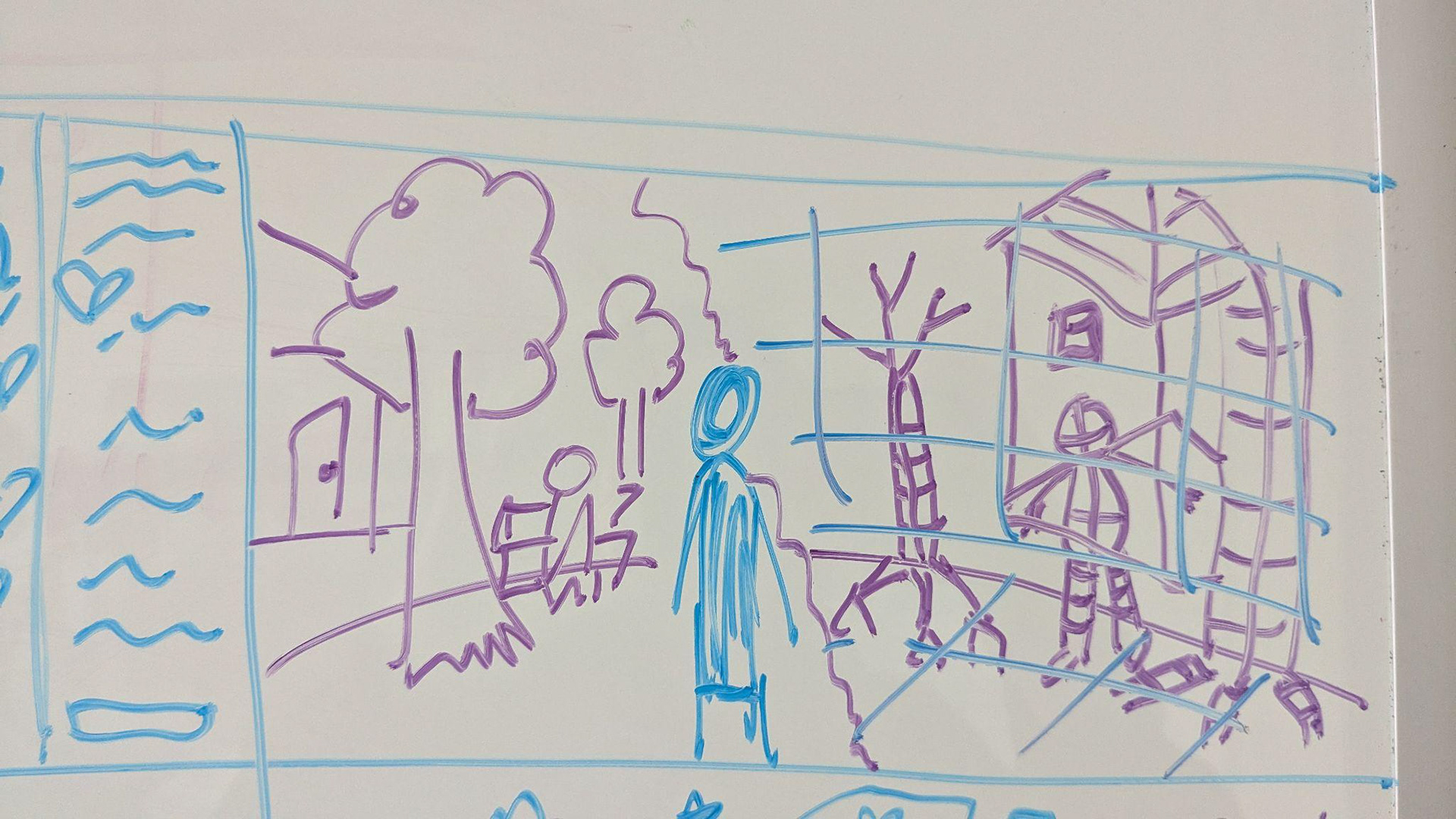
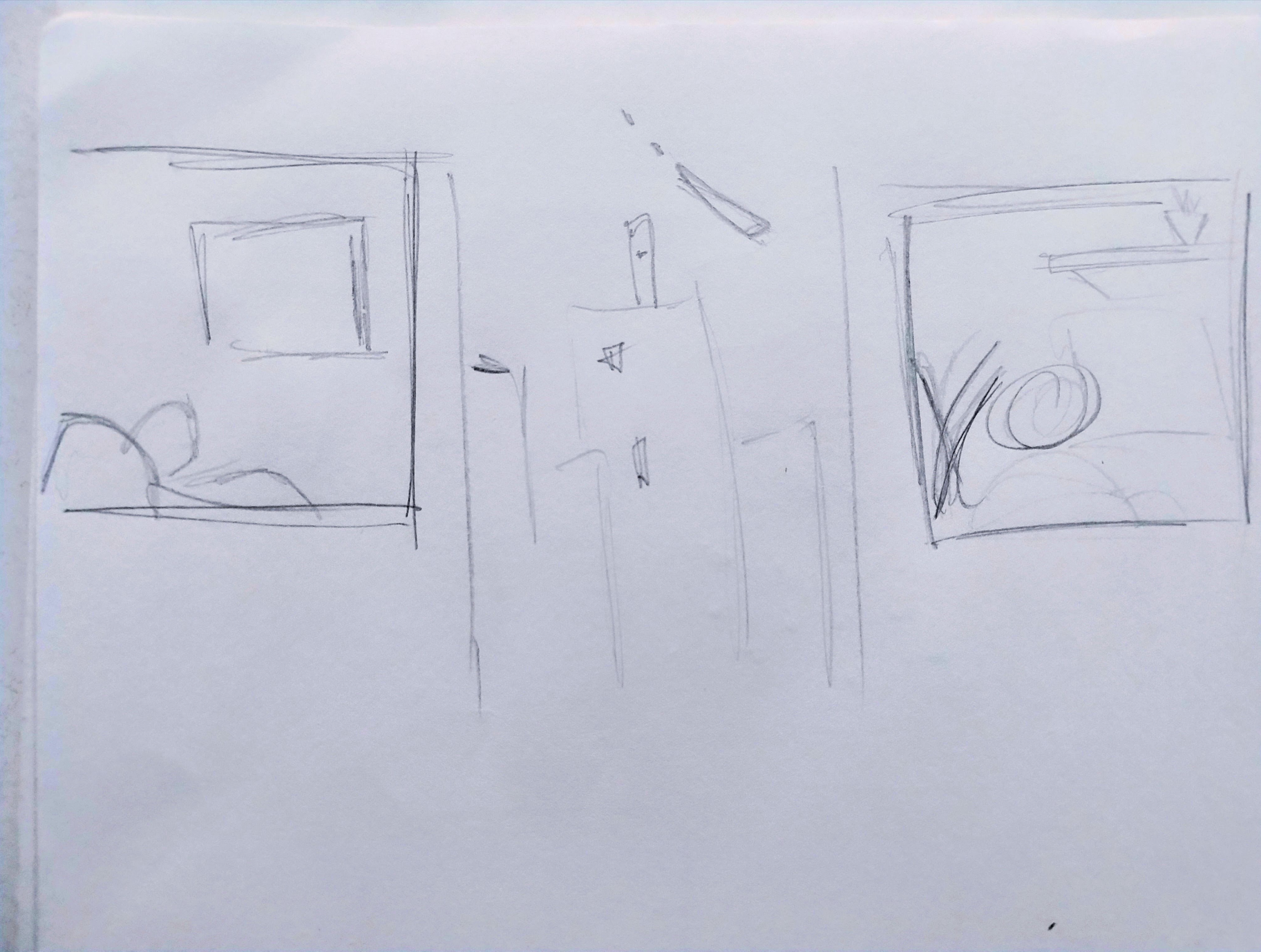
Tiles began the "old school" way, sketches on whiteboards or in artbooks. Then, those concepts were often brought to Illustrator for a quick mock-up to use as the leading reference image to kick off an AI generative process. Others went to AI much earlier with sourced reference imagery used as the visual seed for the new artwork generation journey.
The client-side art director led the concept stage of the project and handed us some terrific base assets for each deliverable. Some were nearly ready out-of-the-box, some were more of a springboard to push into further exploration, and others really needed a tonne of traditional patch up and compositing magic to bring them to life in the way we all imagined.
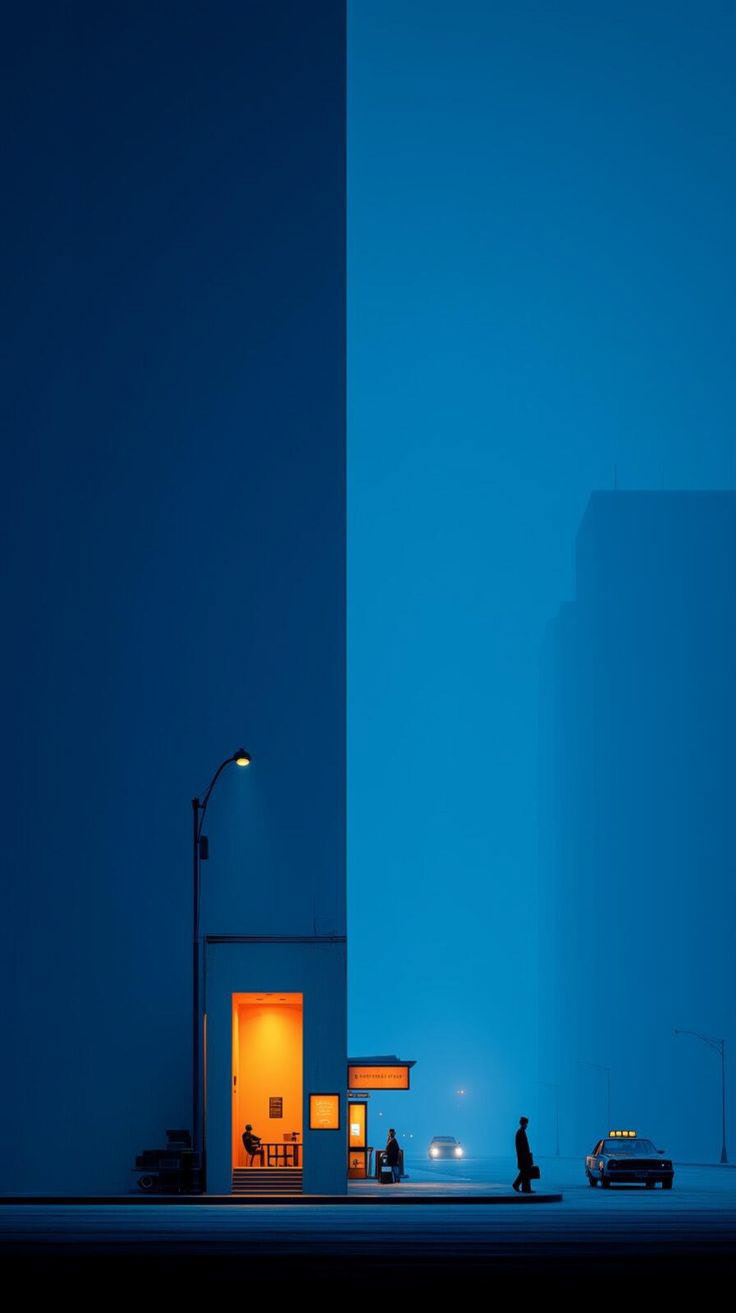
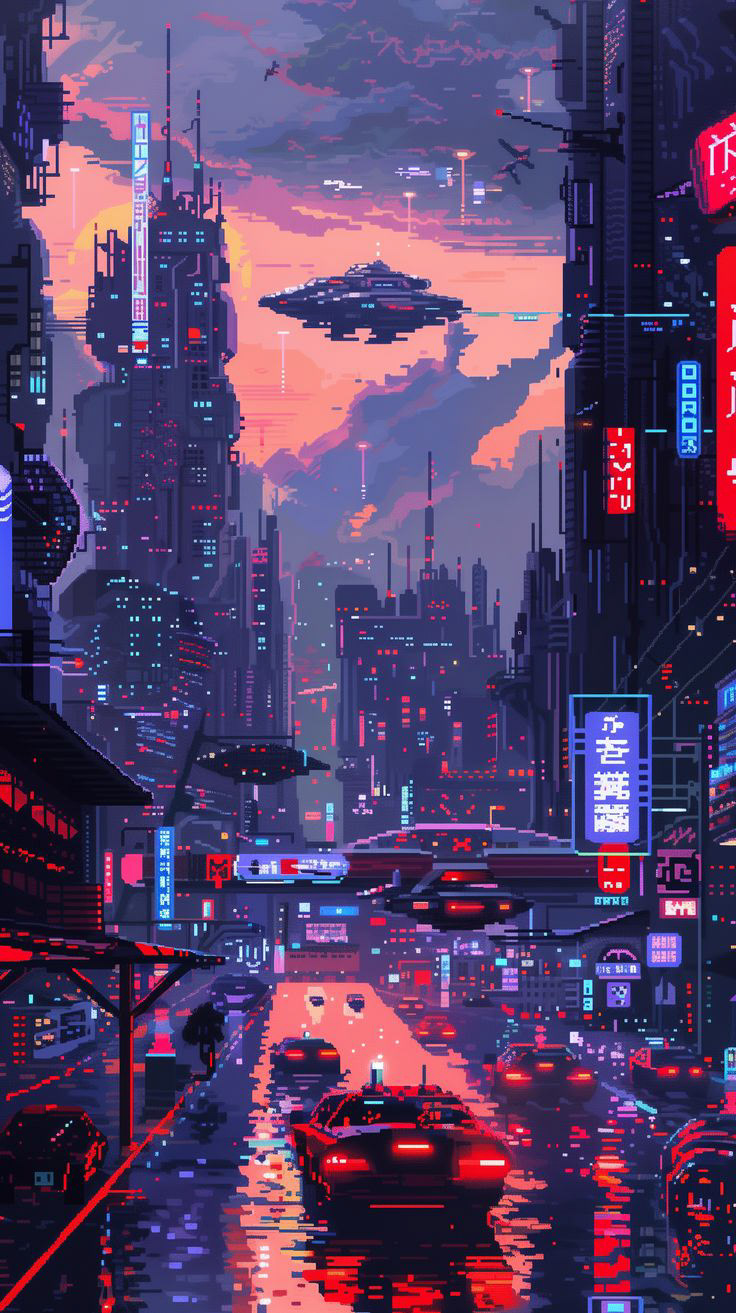
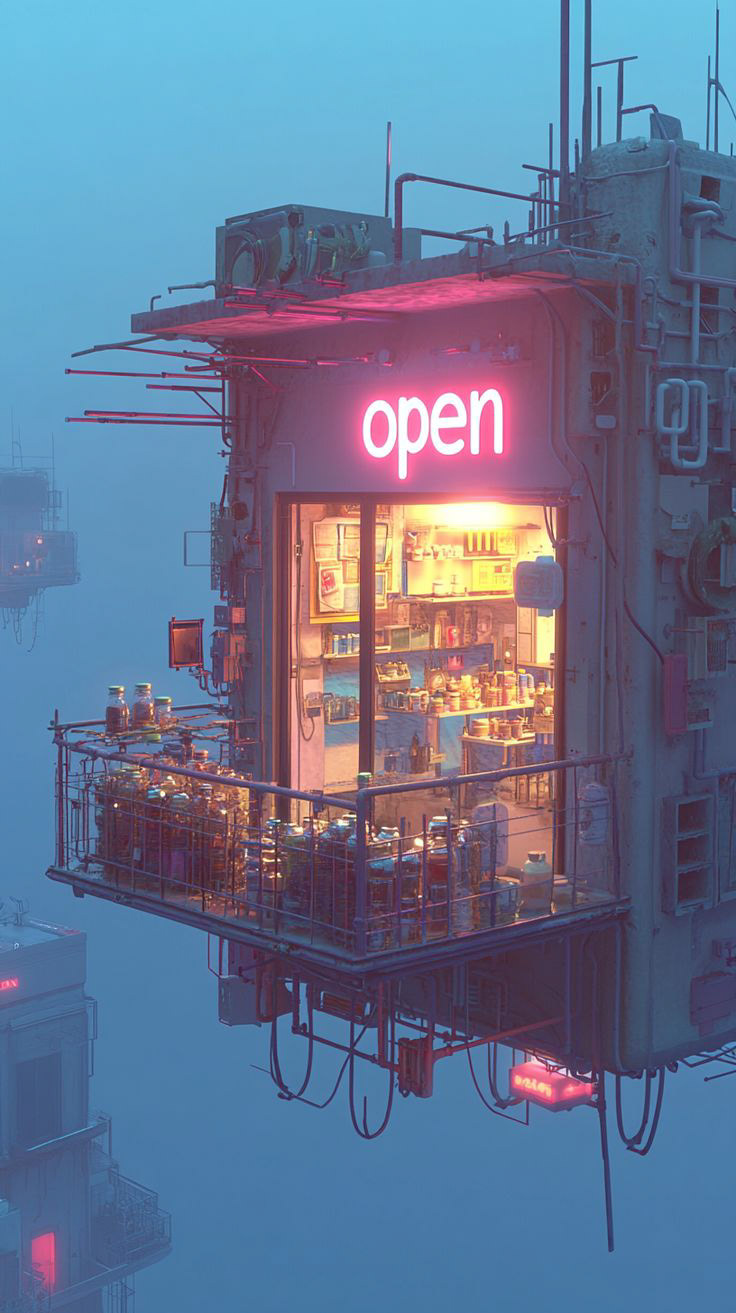
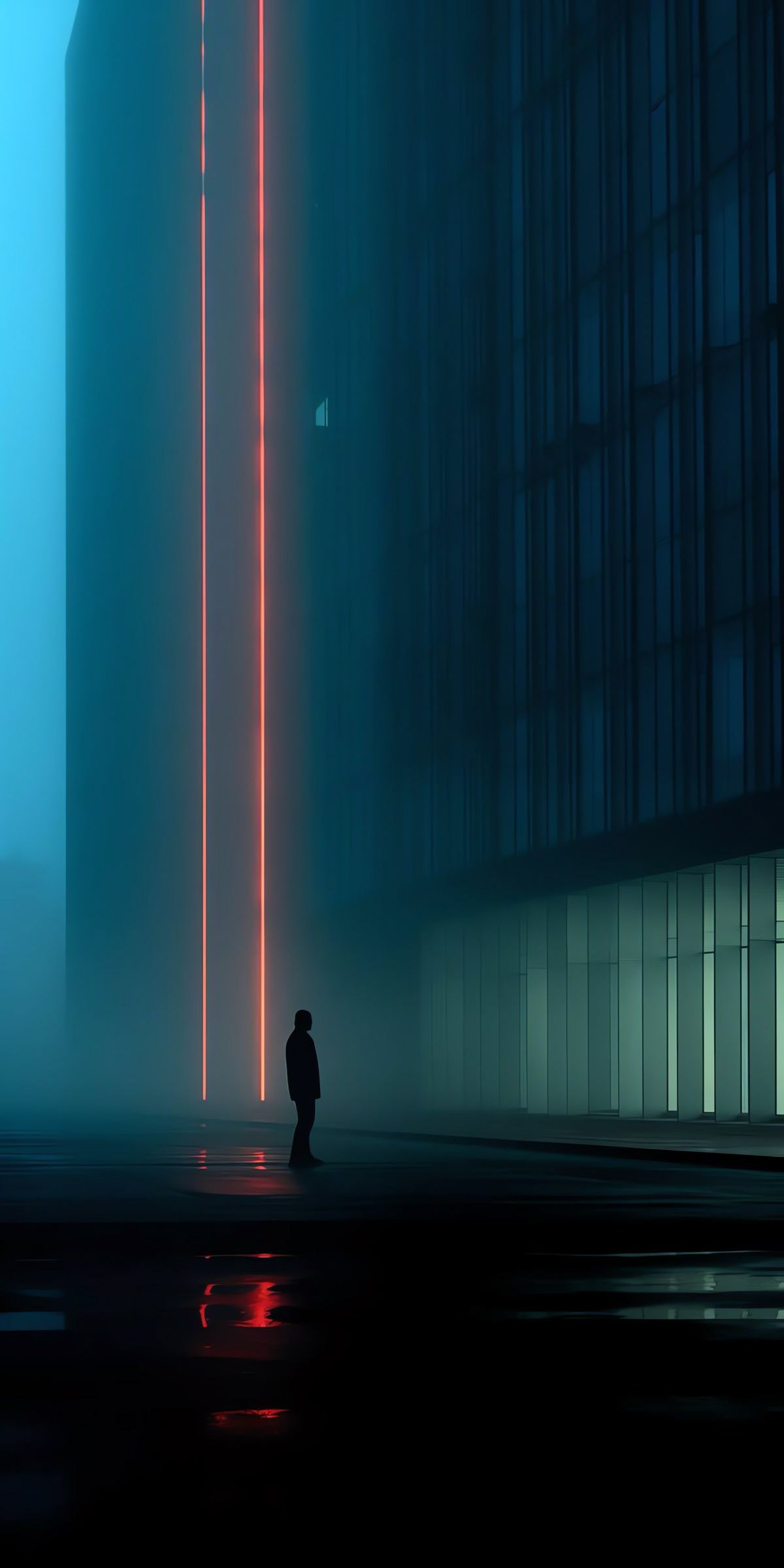
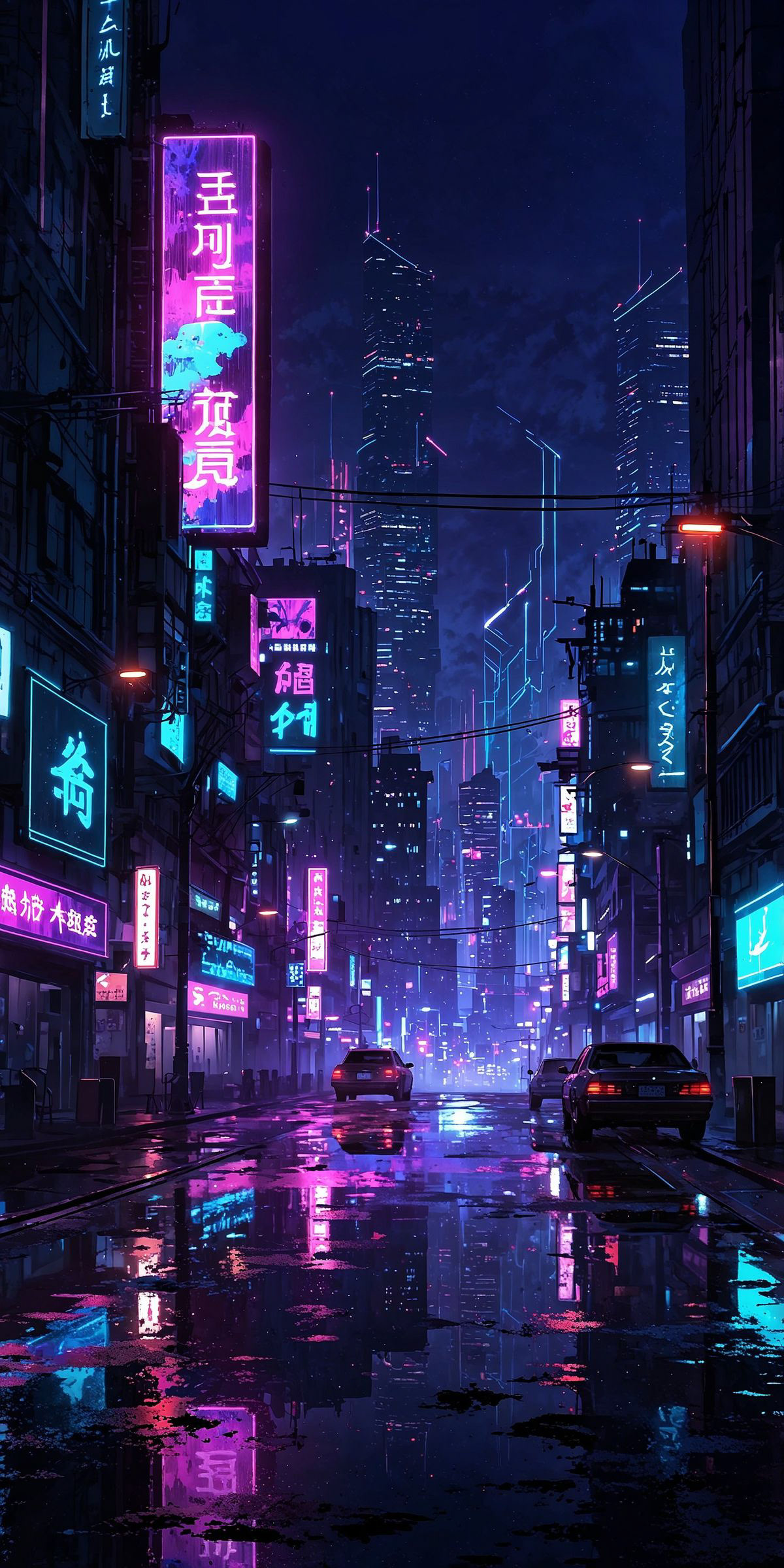
True to the inherent nature of art, it is the human touch that refines a work to embody those subtleties and nuances only a person can provide. The specific feelings invoked by intentional creative choices. It is the reason one building or skyline "feels" more right than another. It is knowing why four souls, physically separated by the span of pavement far below or a ceiling high above, and sitting alone in the calm ambience of the night, can invoke a commentary on finding one’s place and one’s "people" amidst the conformity of society. It speaks to a peace, and connectedness found within an immersive online community, an acceptance that others may not fully understand. These are depths of perception that AI cannot truly feel. It can only mimic and reflect the surface, alluding to a humanity it does not possess.
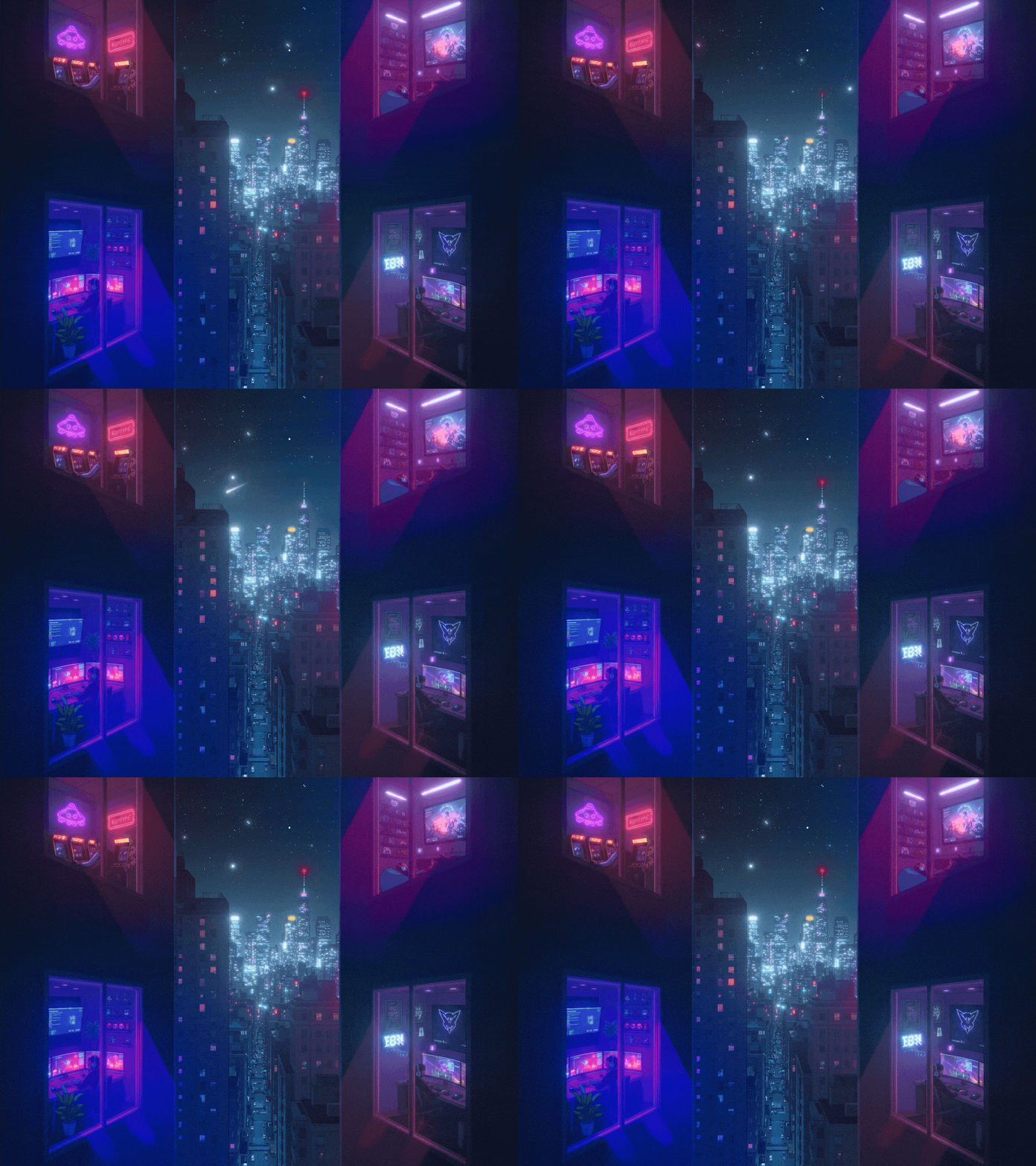
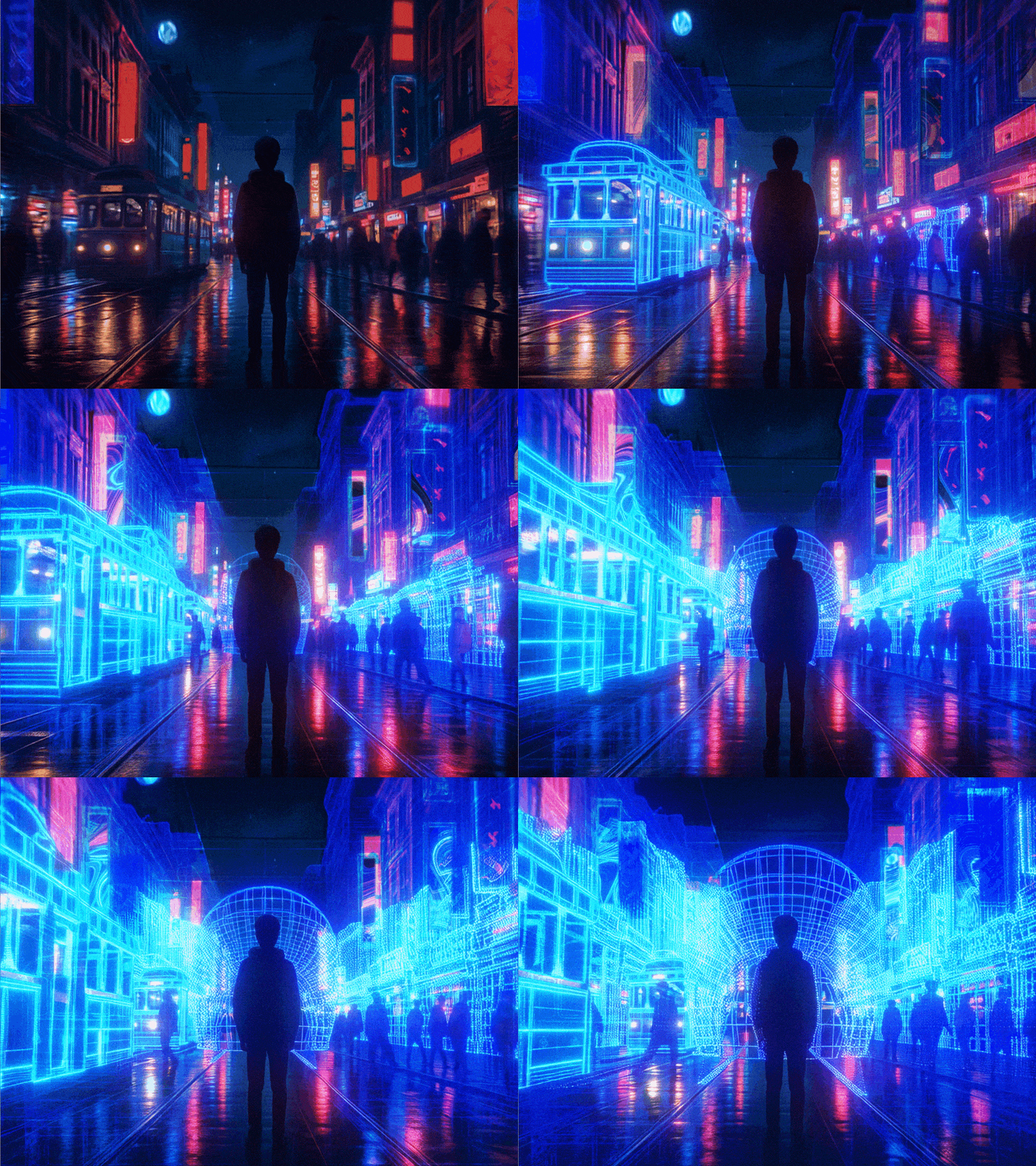
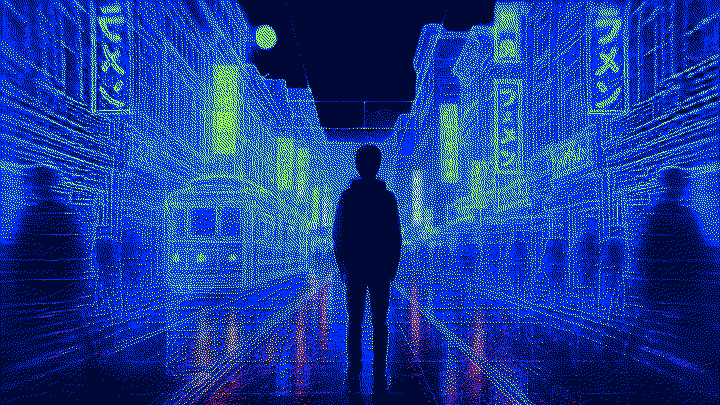
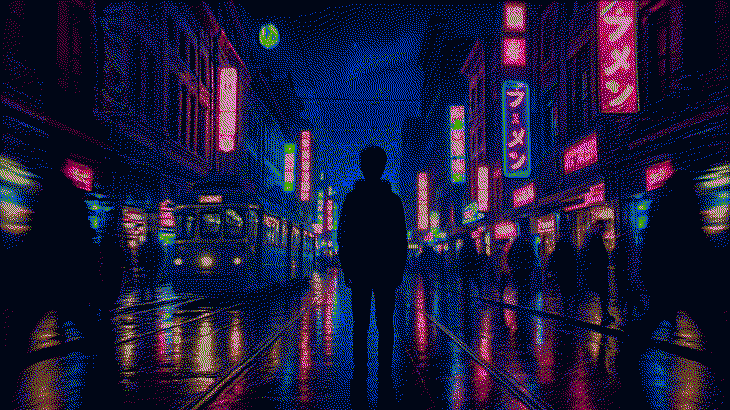
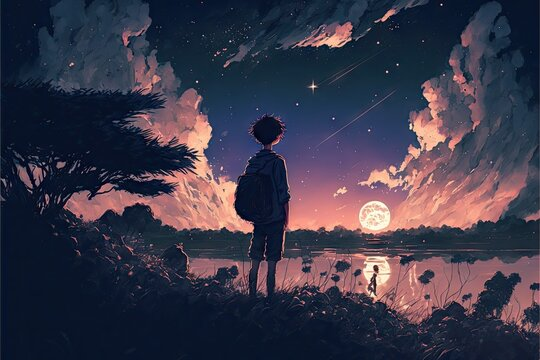
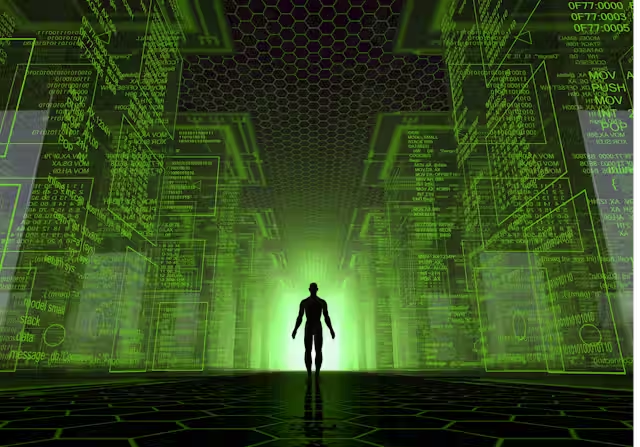
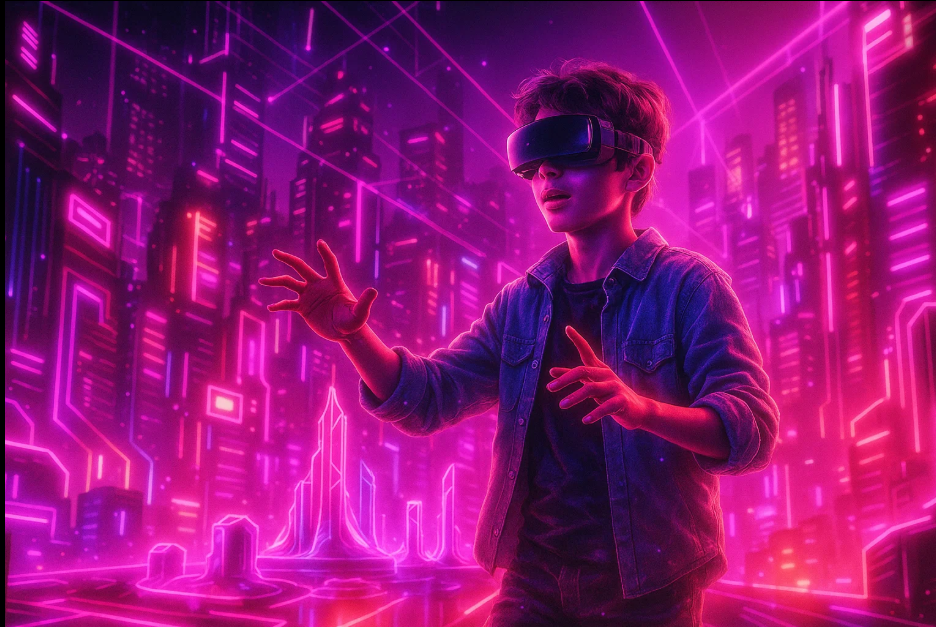
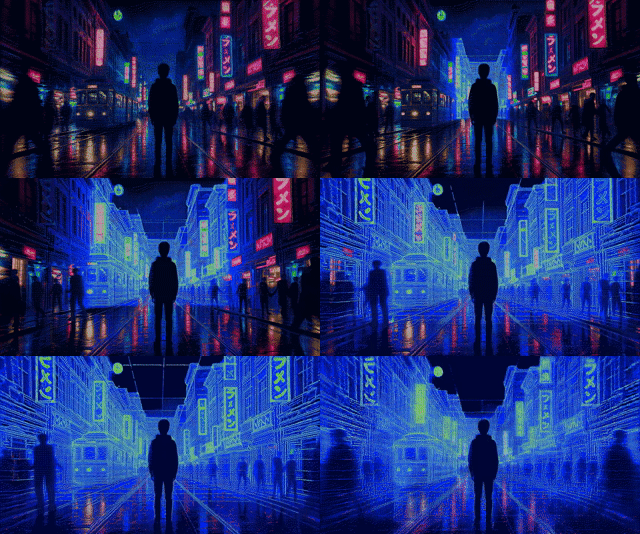
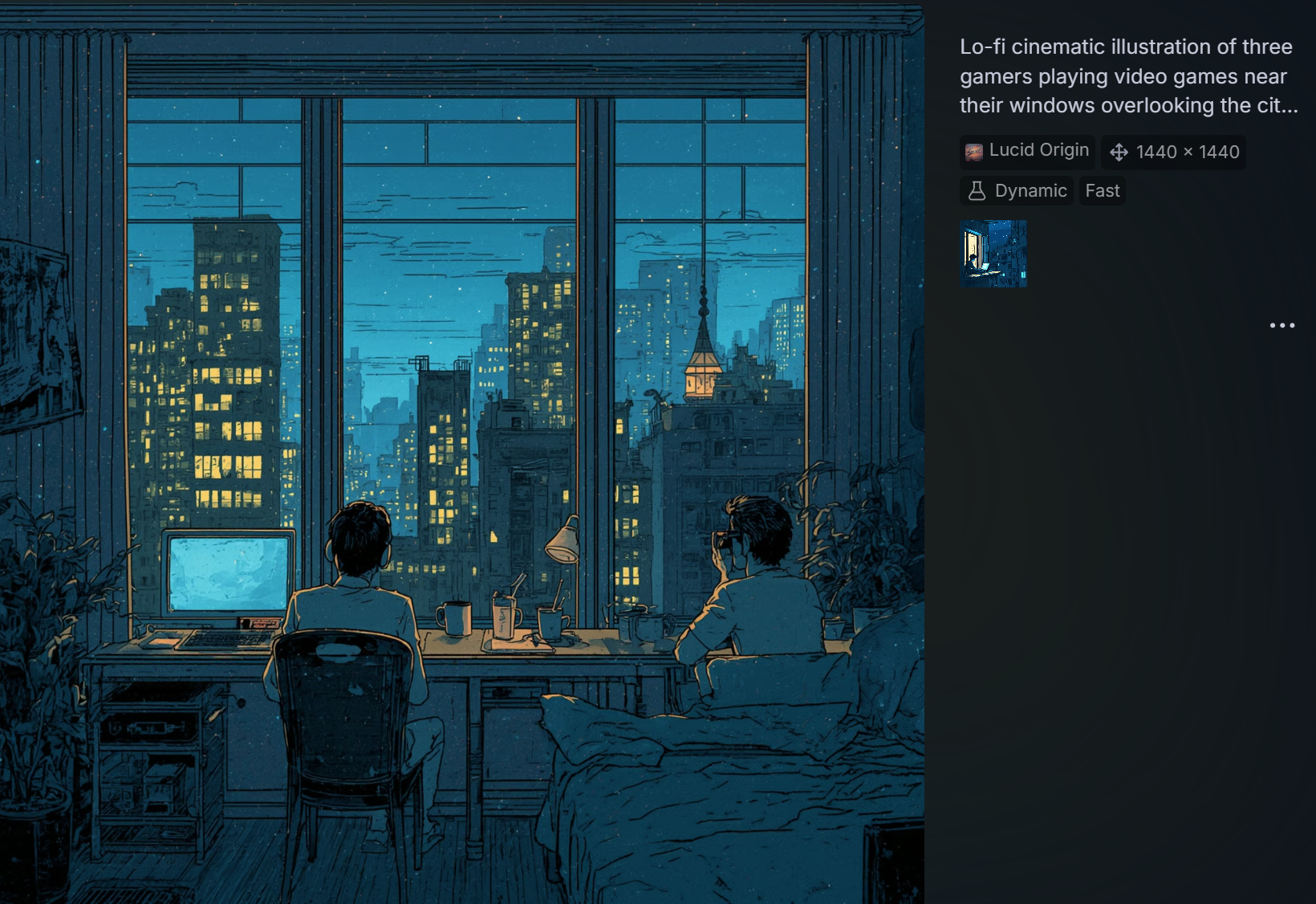
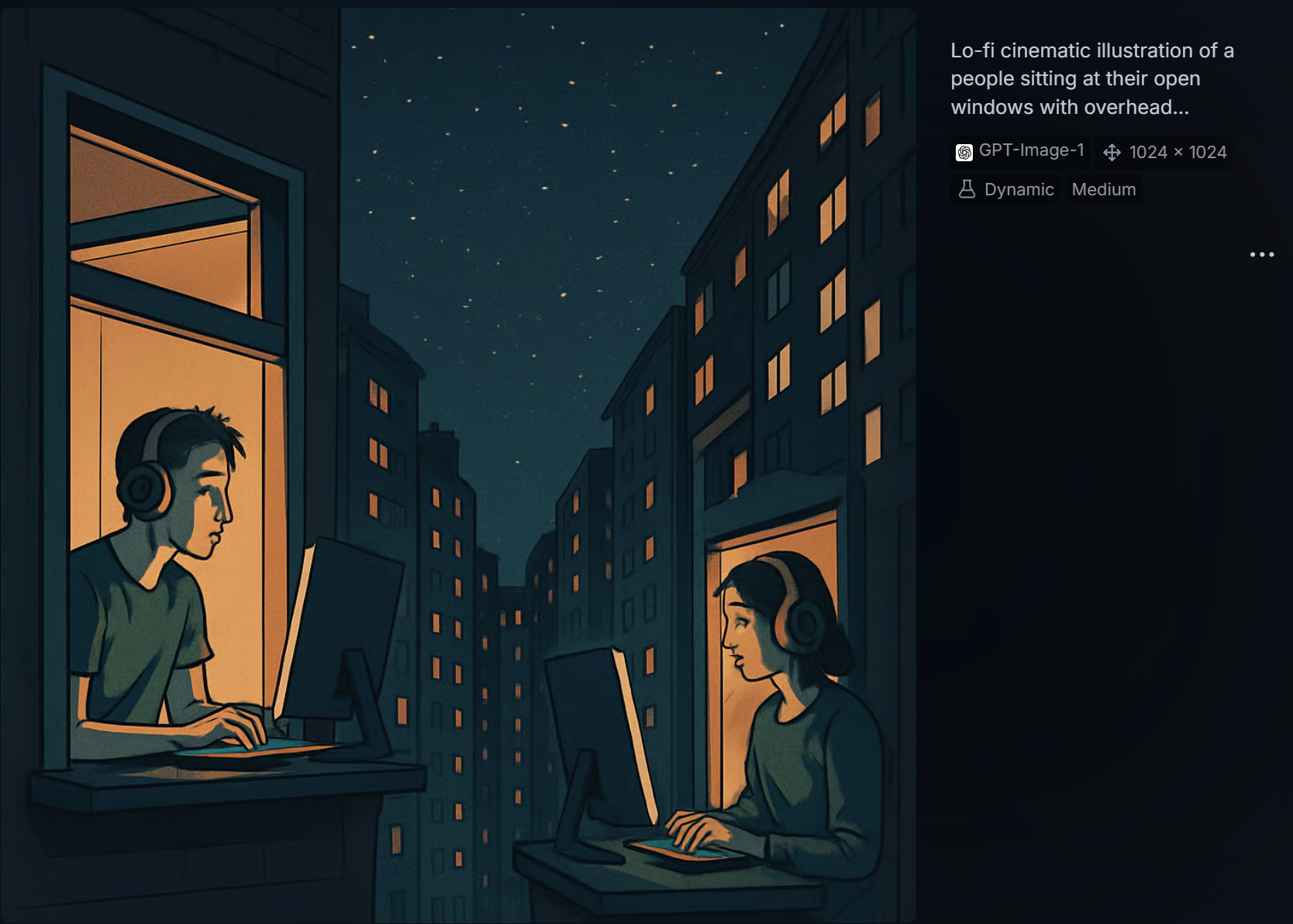
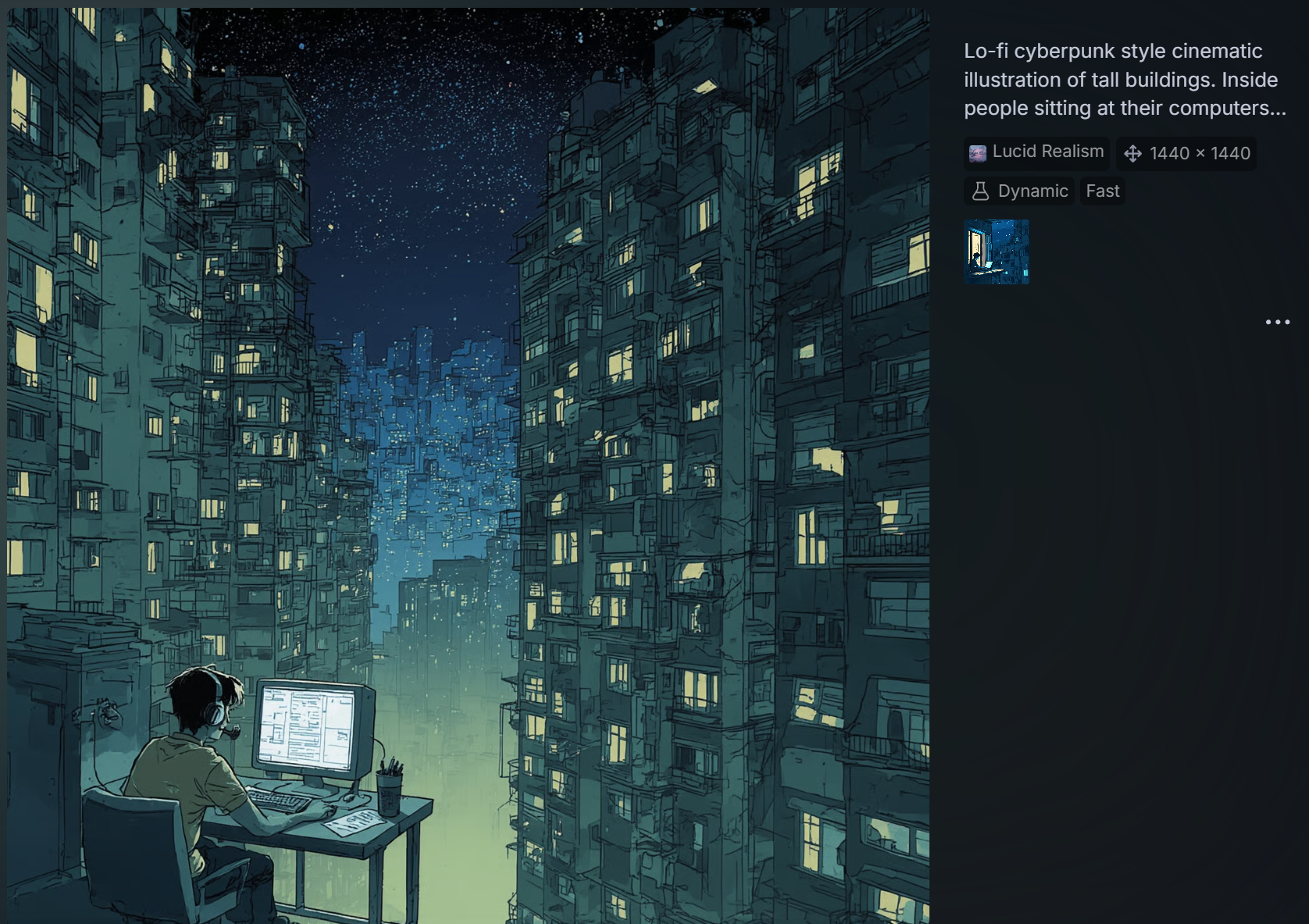
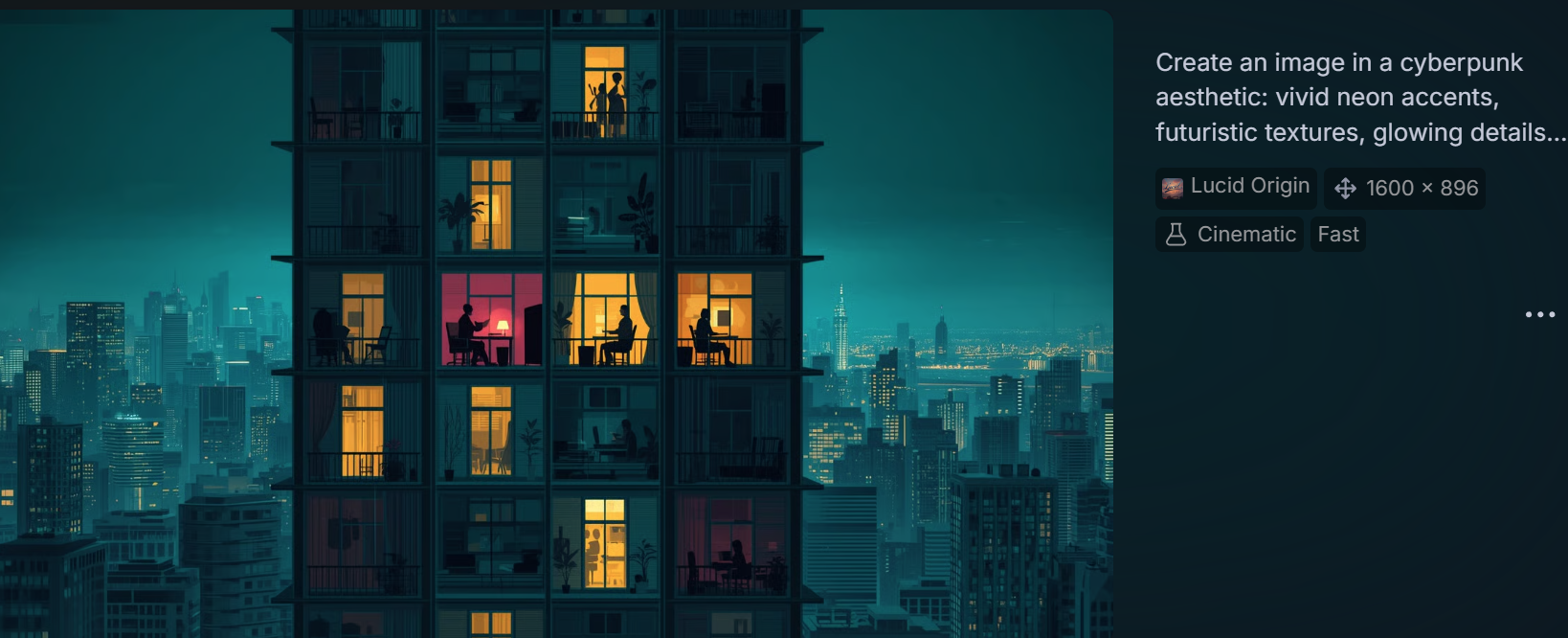
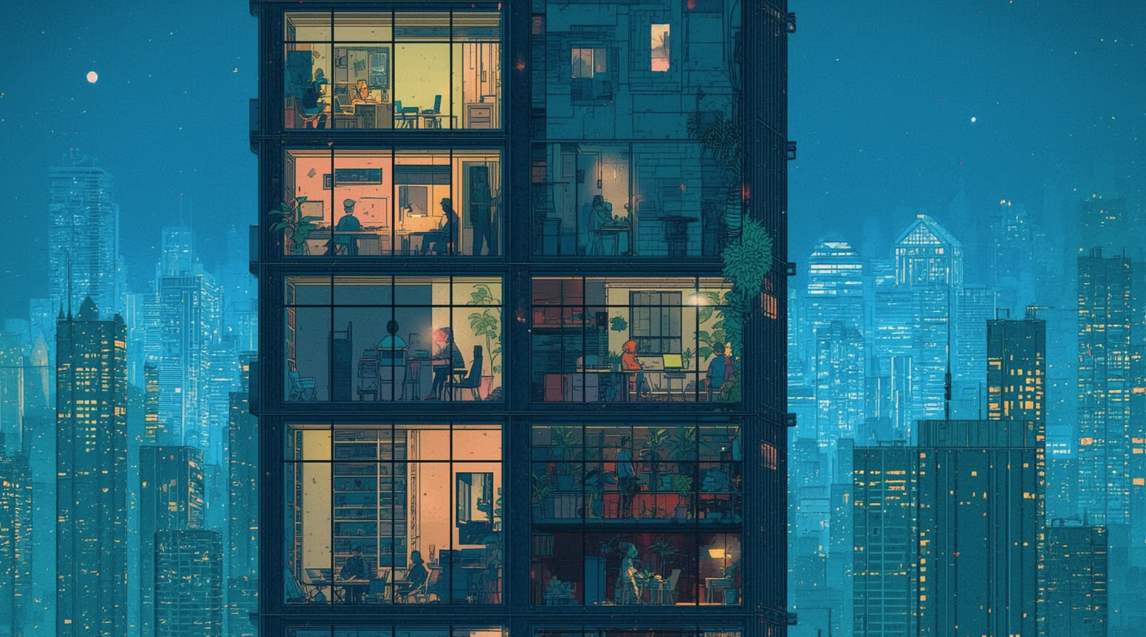
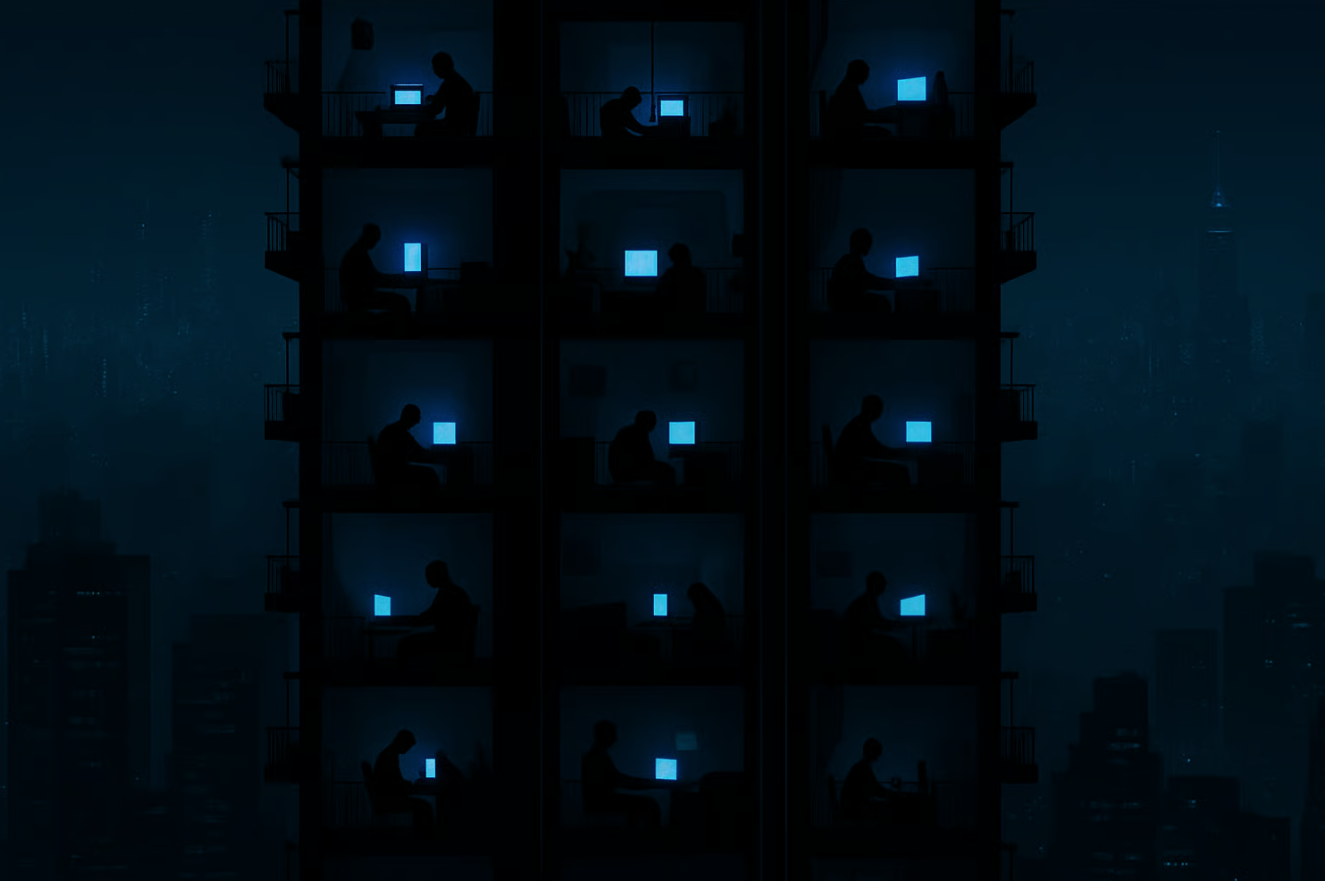
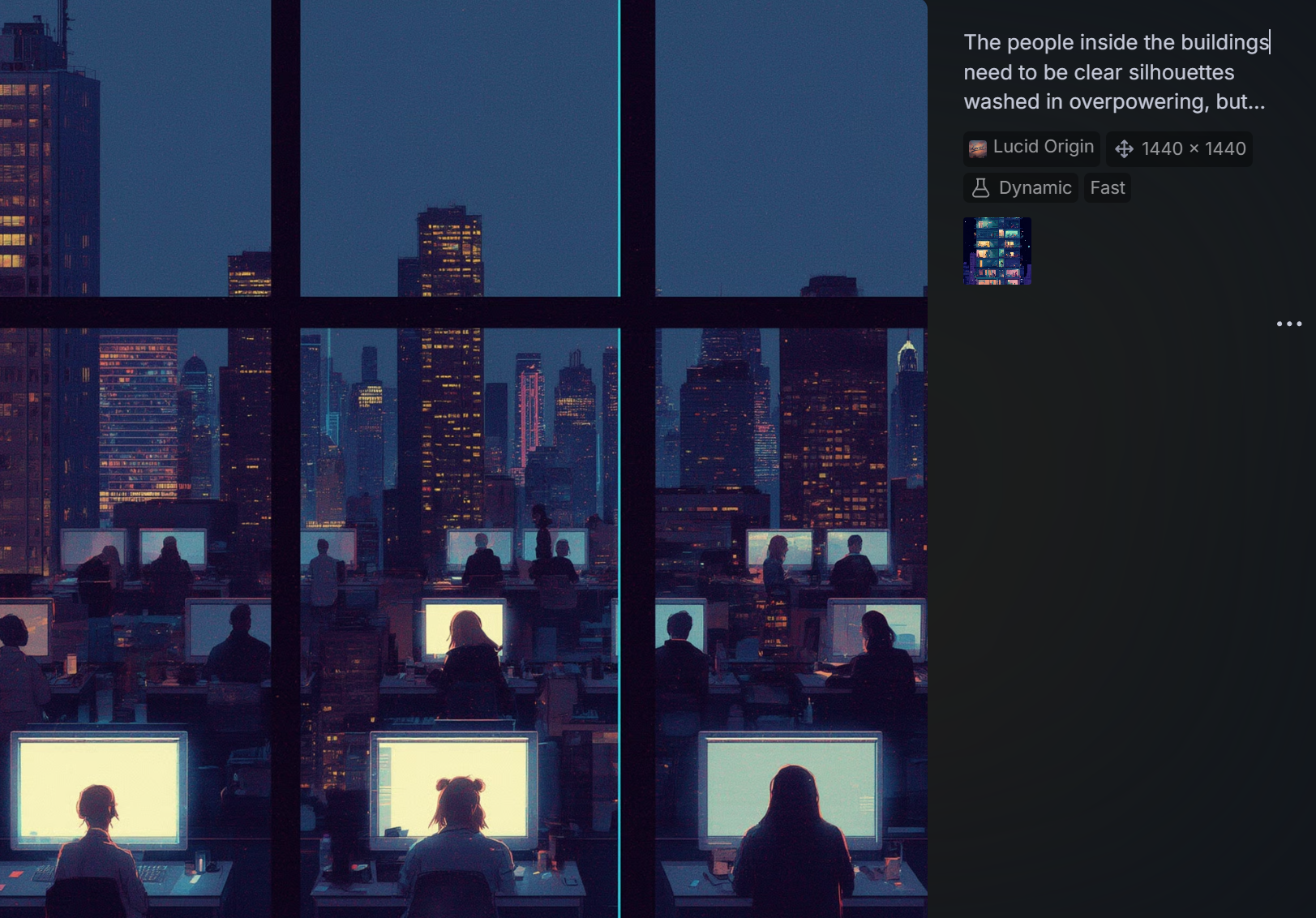
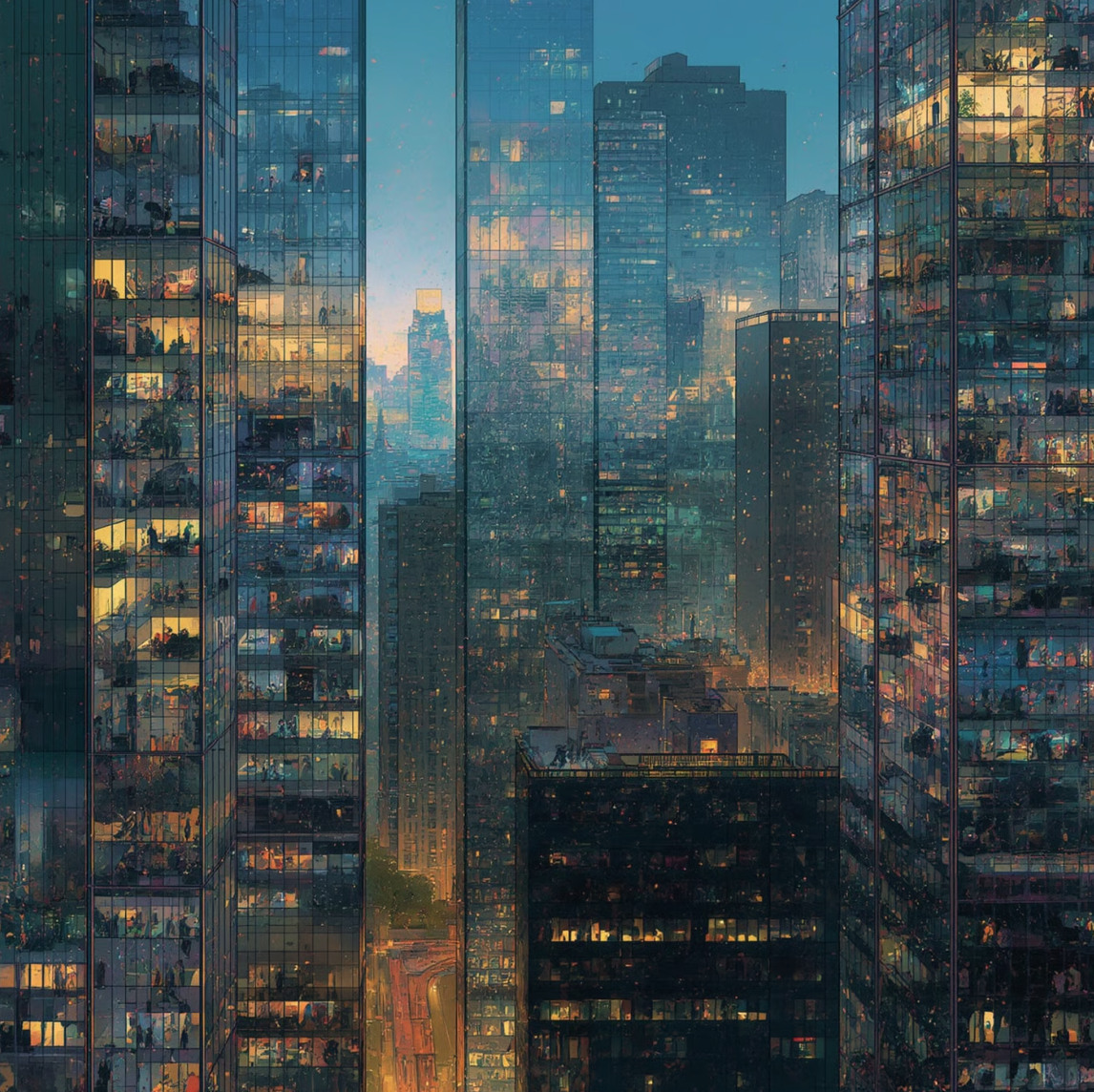
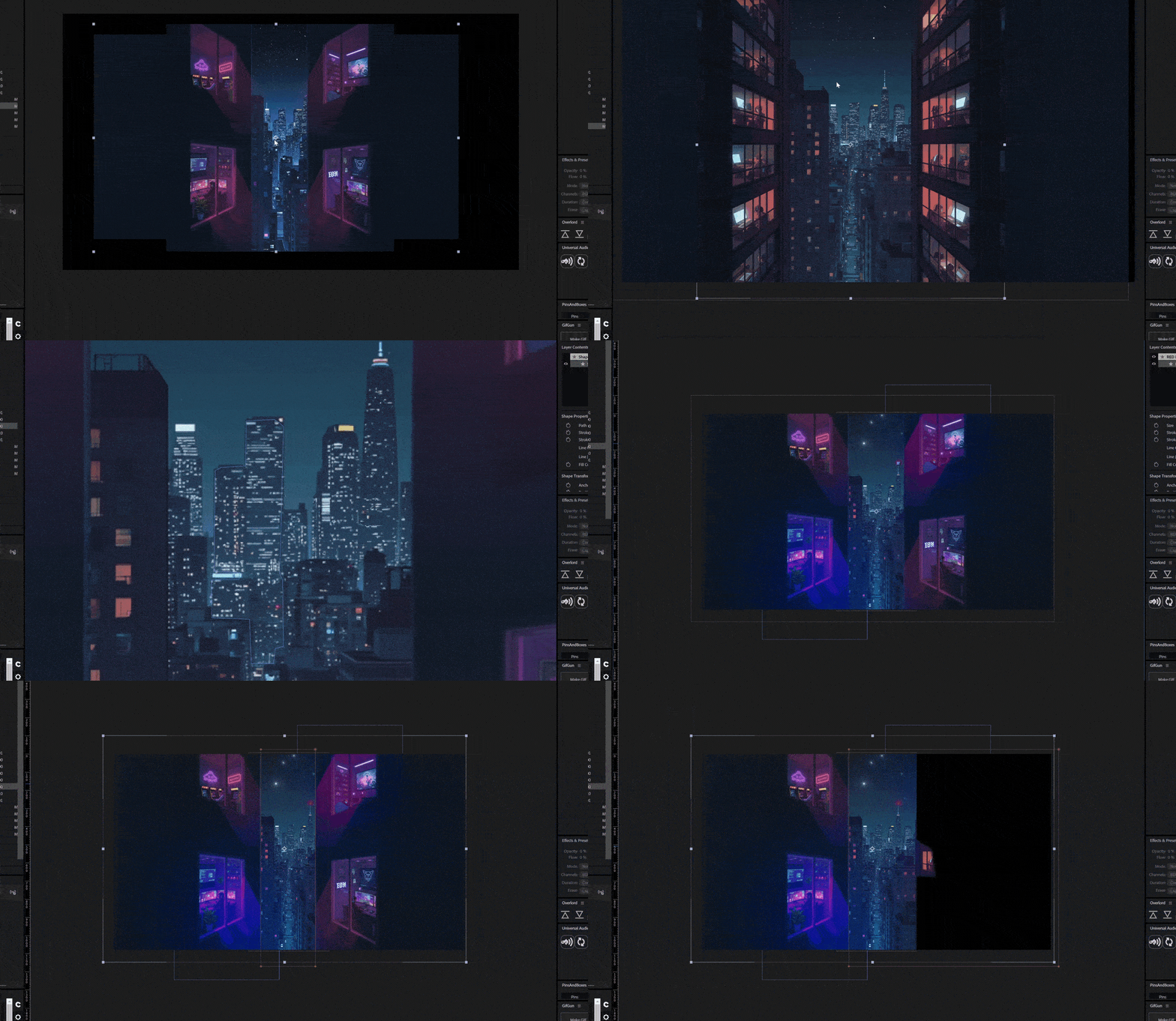
Gen AI tools: Impressive but not magic.
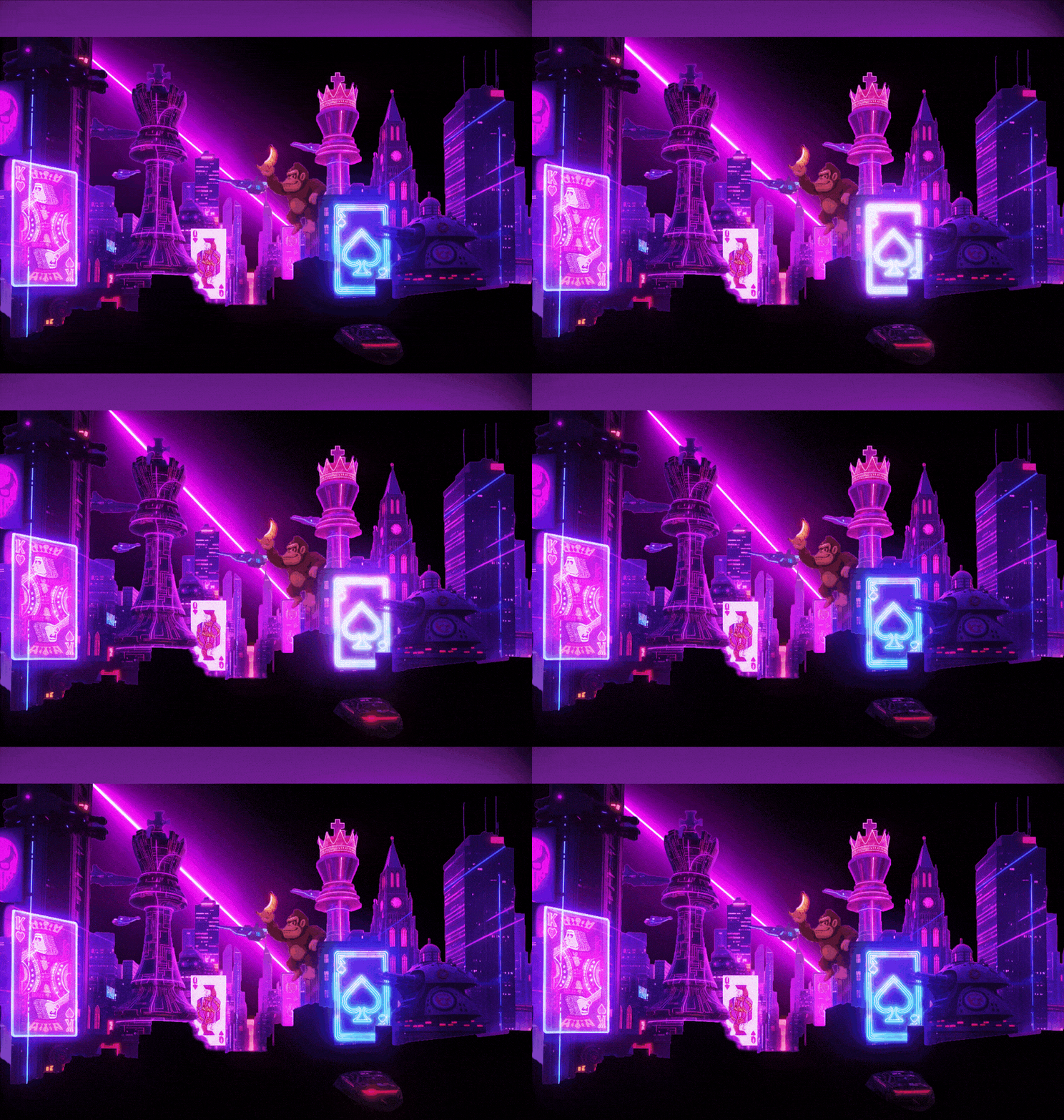
We found a lot of work was required to move iteratively through concepts, and then a whole lot more pulling out the oddities and hallucinations. We'd take images as far as we could with AI toolsets before shifting back to After Effects to really bring things to life.
We integrated Leonardo, Sora, and Topaz AI tools at various stages, and found huge variance moving between models such as Midjourney and Nano Banana. Leonardo or Midjourney often served as our primary engine for aesthetic exploration, helping us find that specific lo-fi texture. The Nano Banana model was often the most creative in elevating visual references to align with stylistic prompts. We touched Sora to experiment with video gen but results often fell short or fell over due to hallucinations. Topaz was our "polishing cloth," ensuring lo-res AI gen plates were upscaled to a professional level.
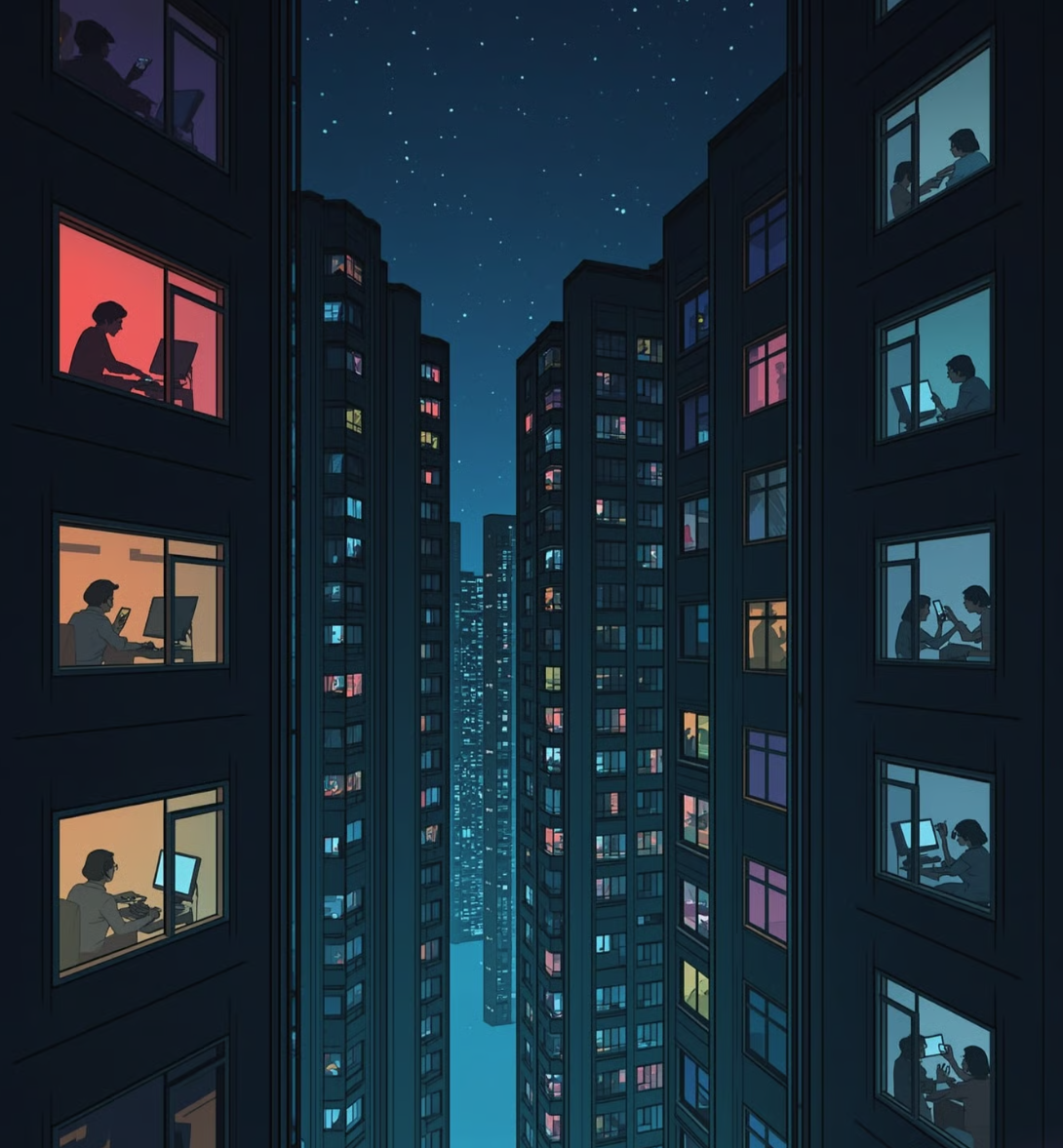
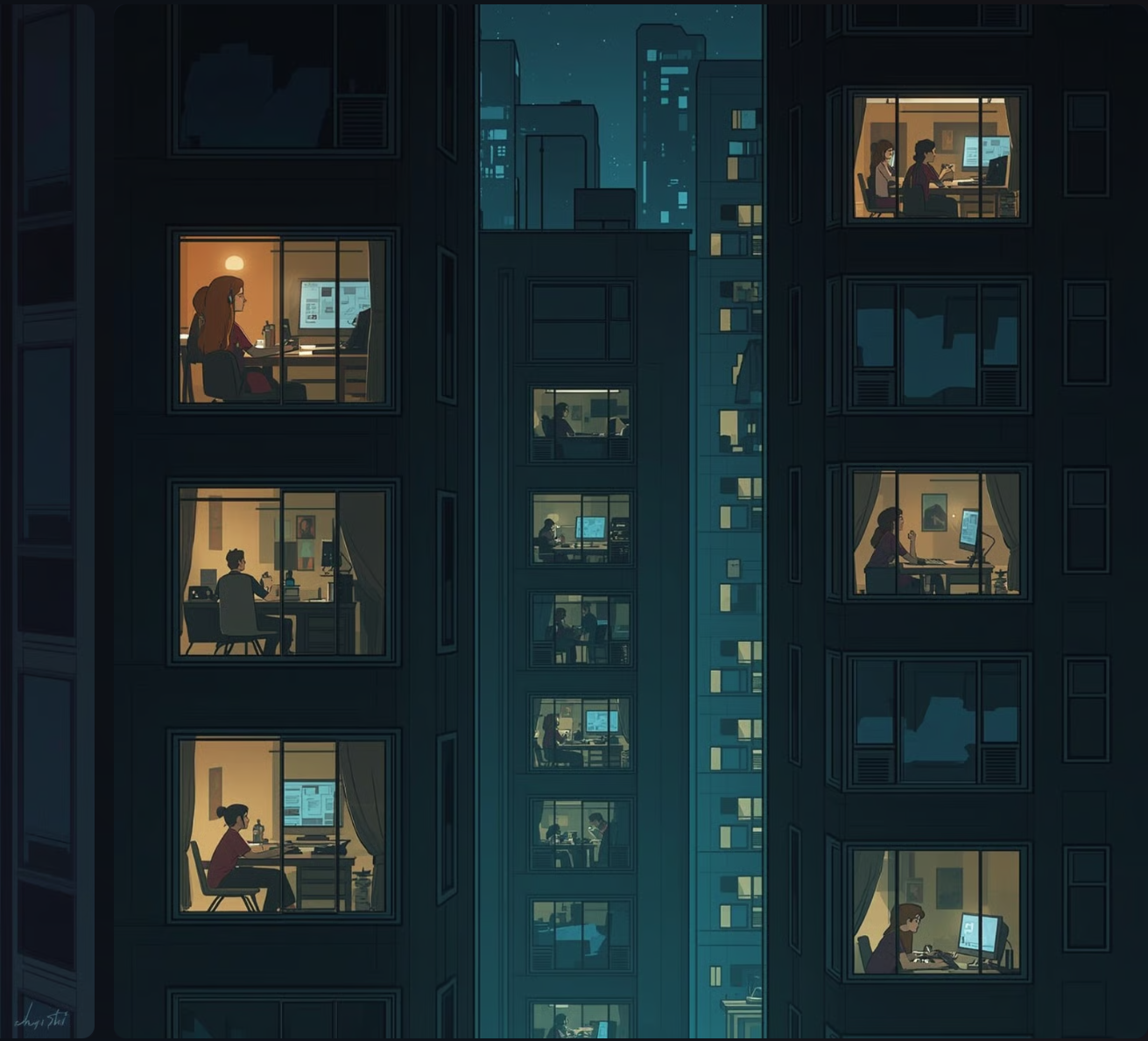
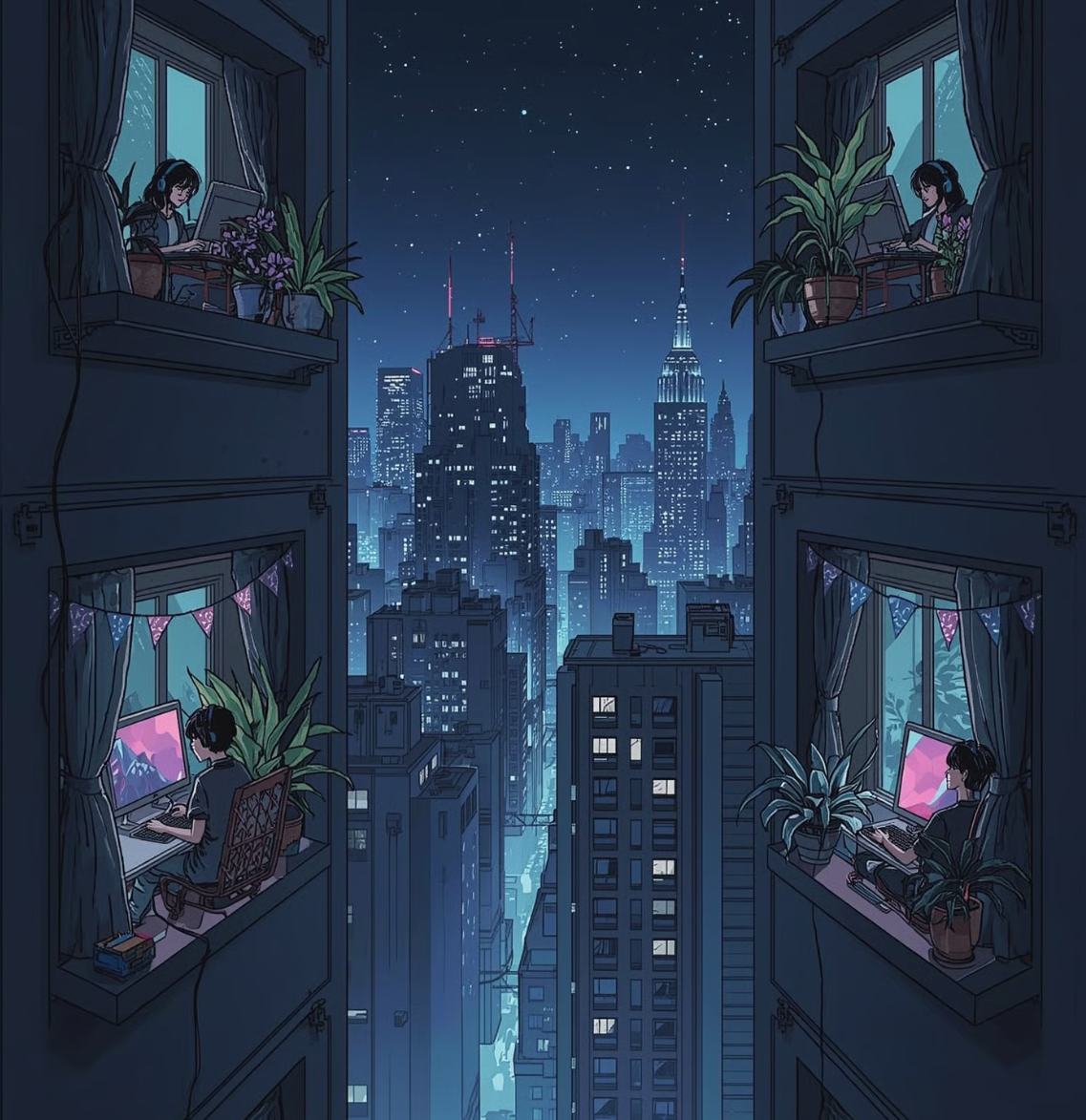
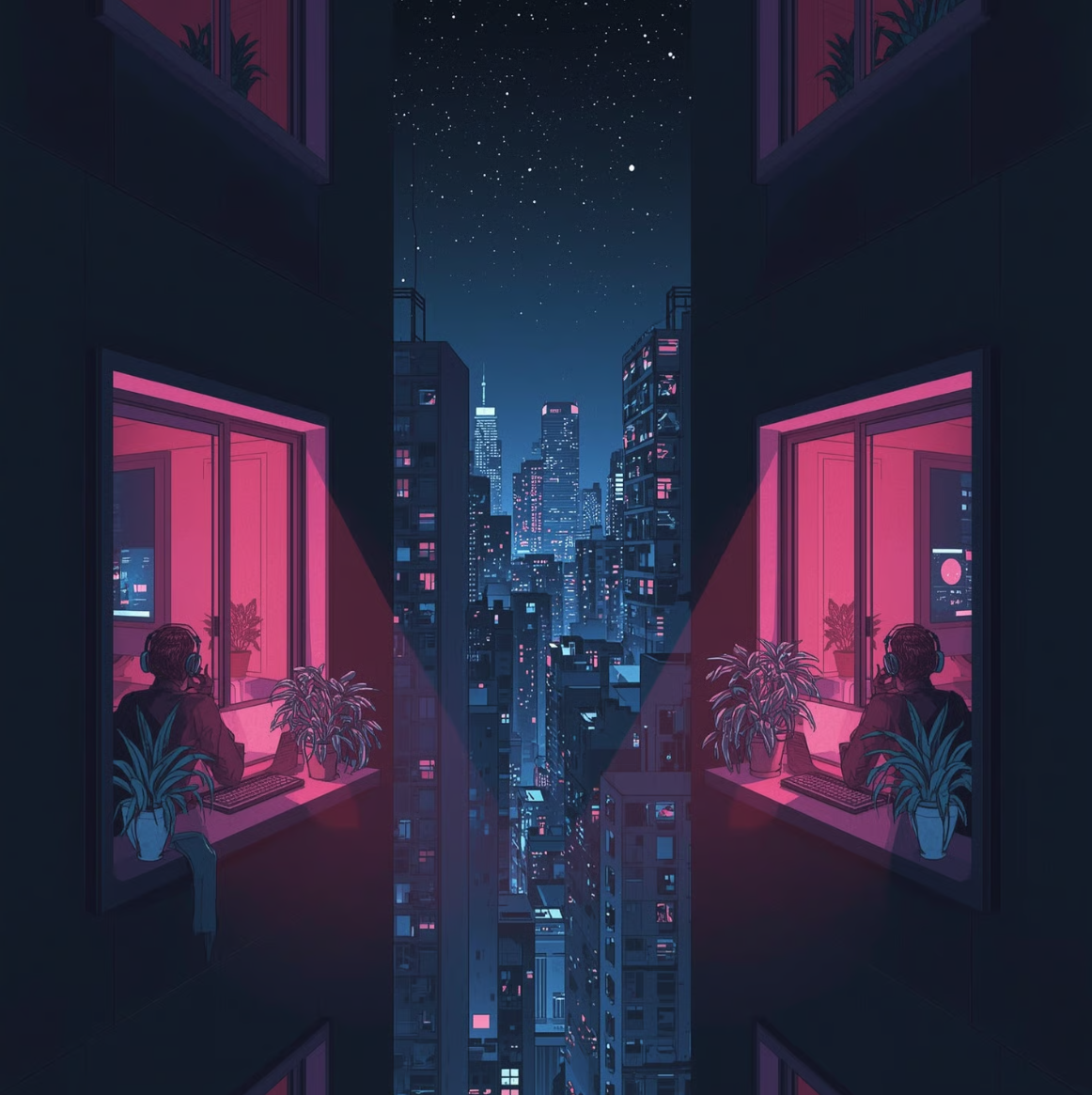
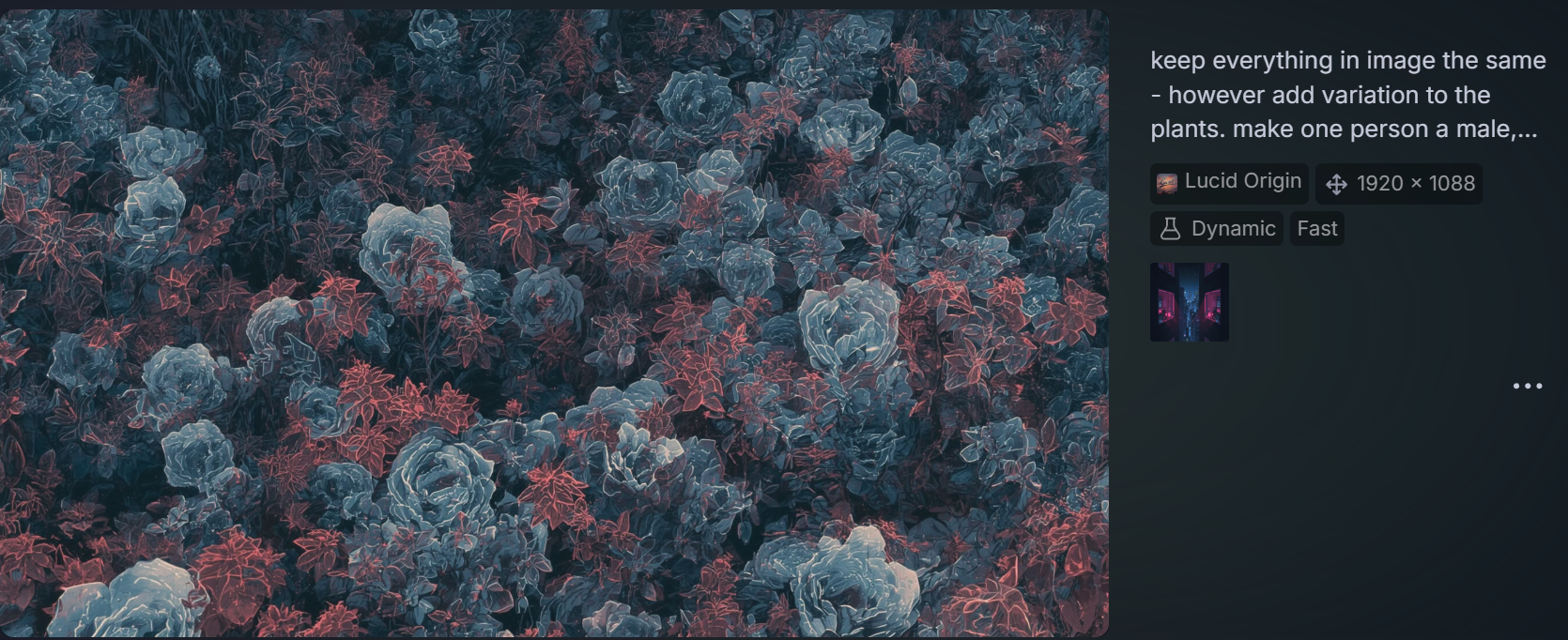
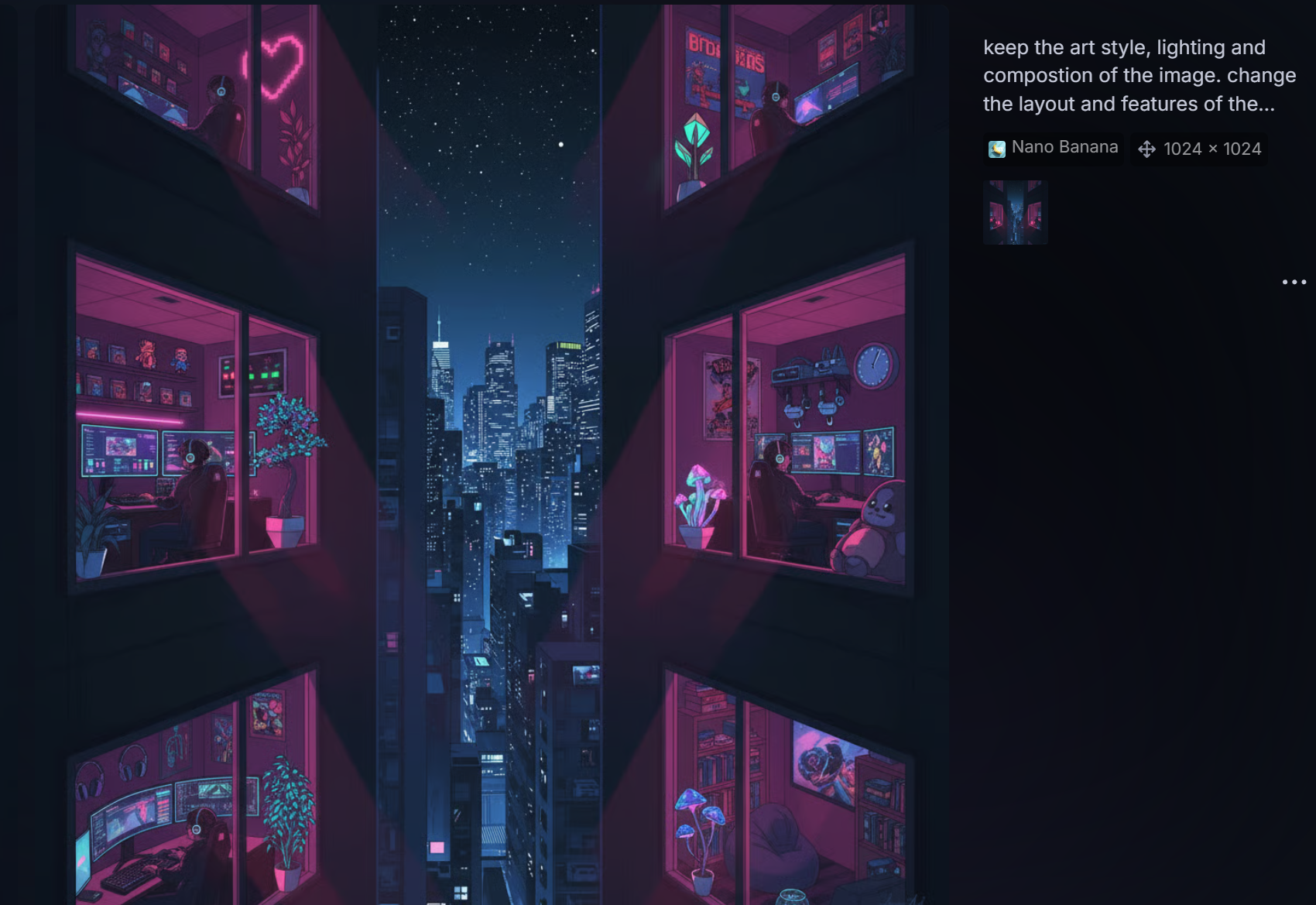
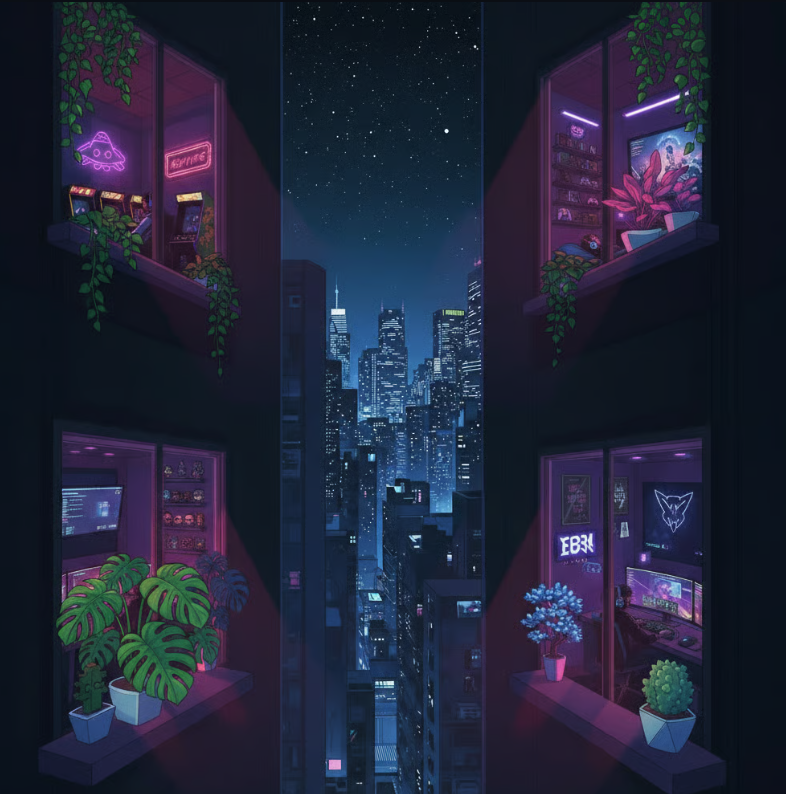
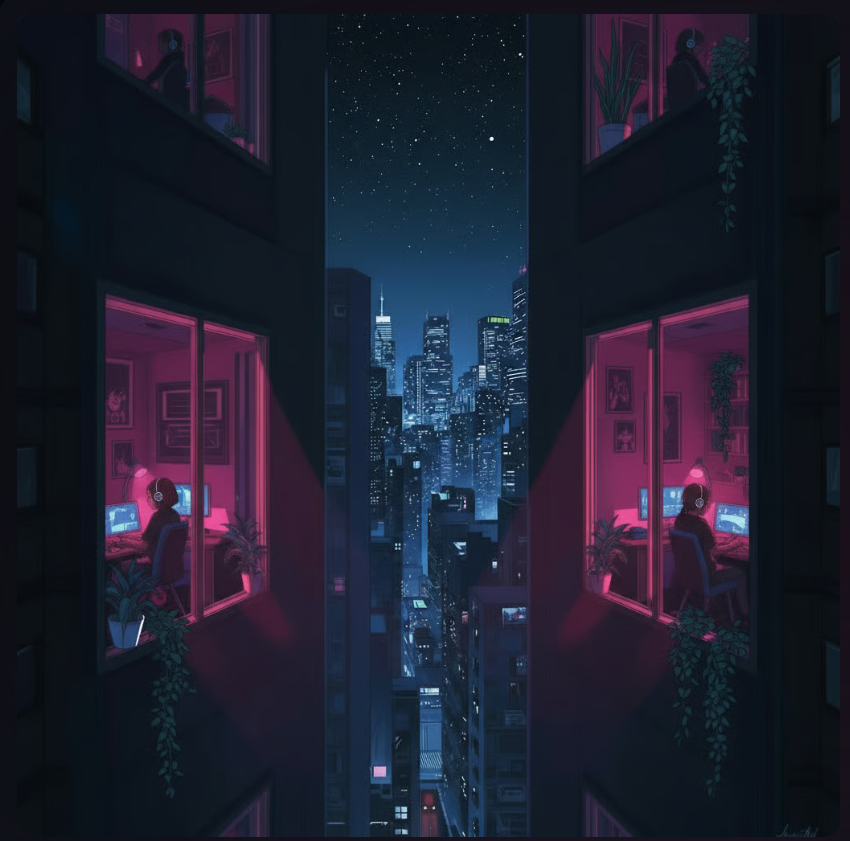
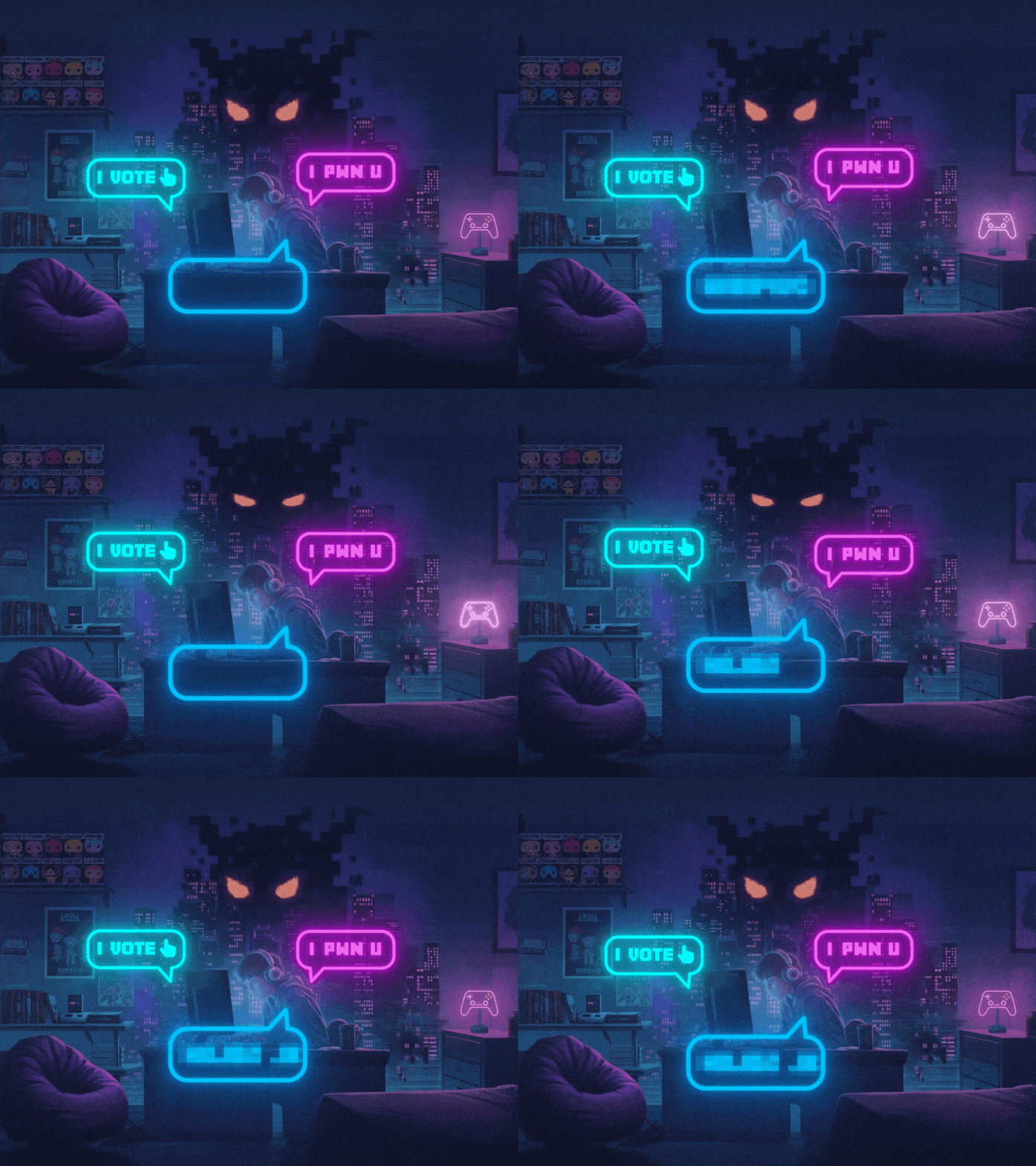
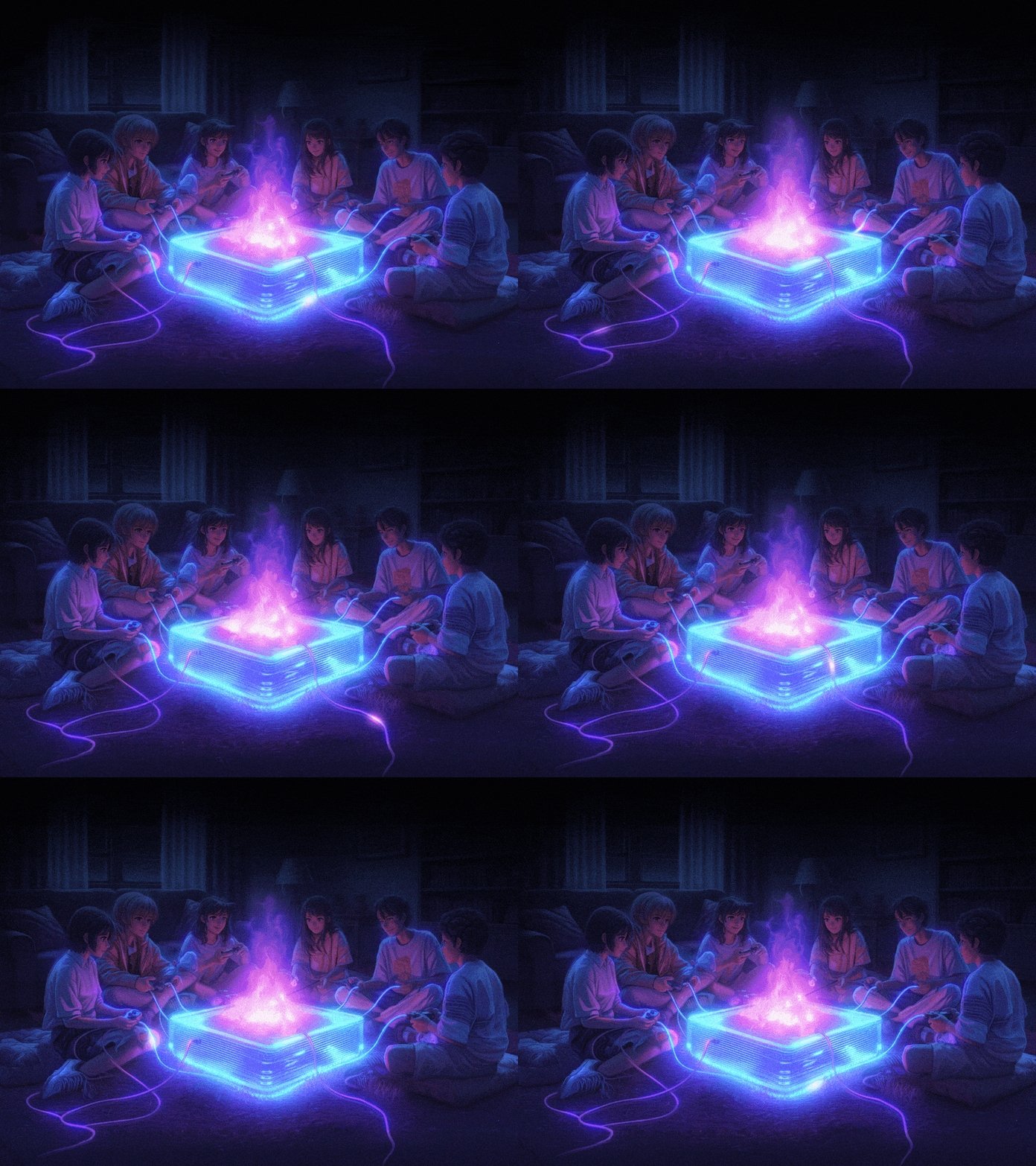
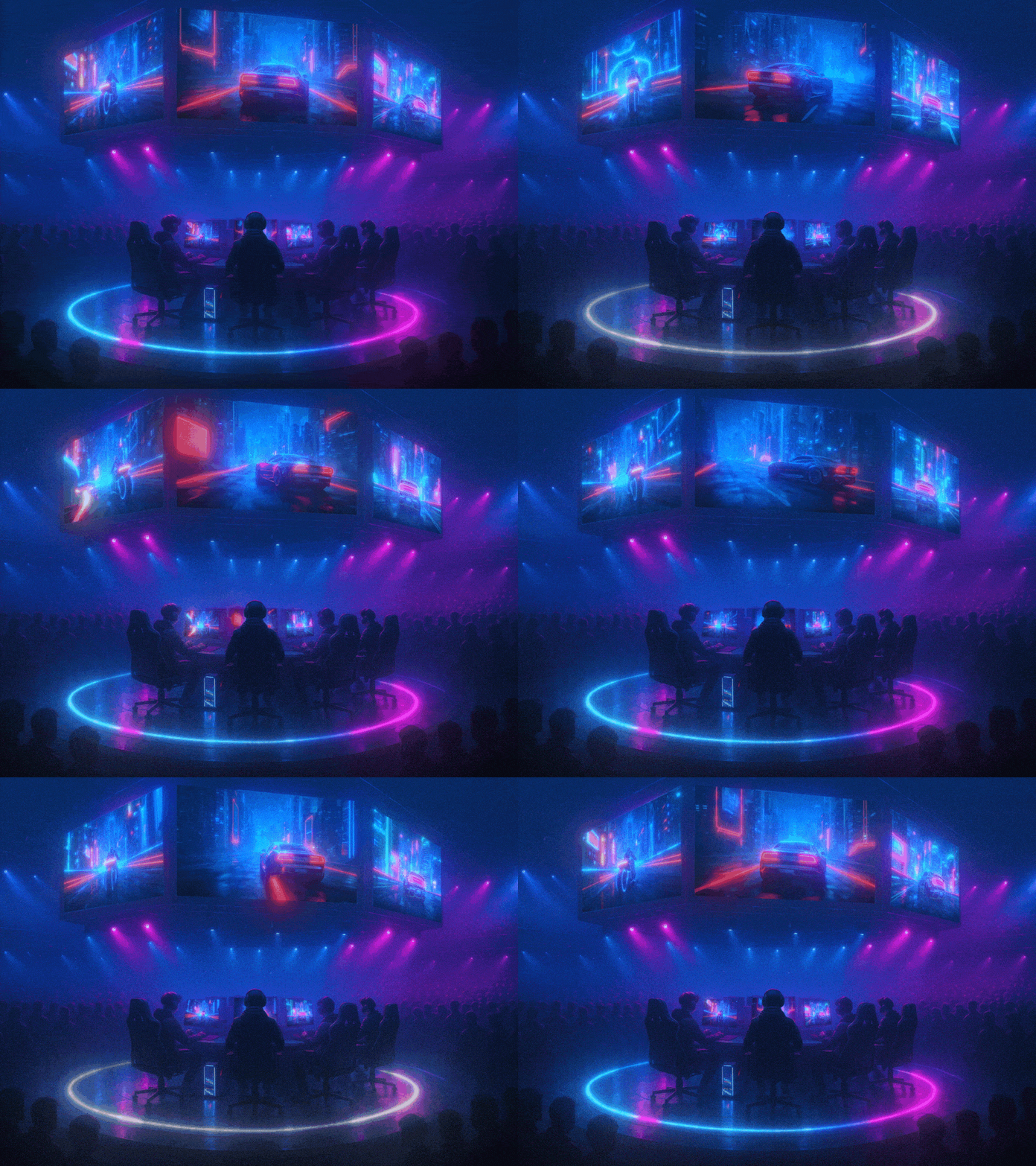
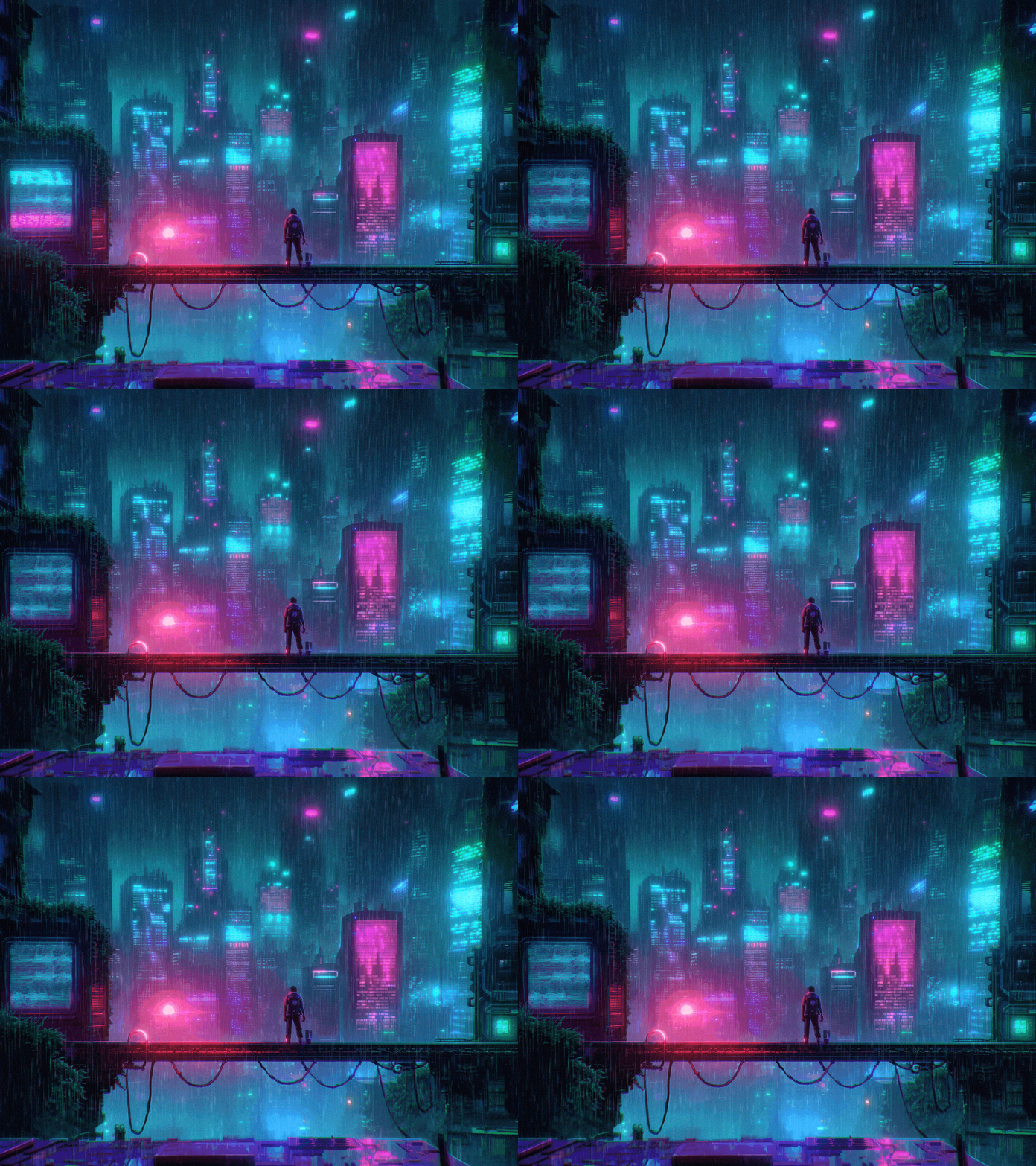
This project was a great example of the hybrid nature of modern AI tools in a traditional studio workflow. Moving a static render to an animated end-piece requires artistic oversight and finesse that only traditional skillsets can execute. Skills attained through years of diverse, cumulative artist experience.
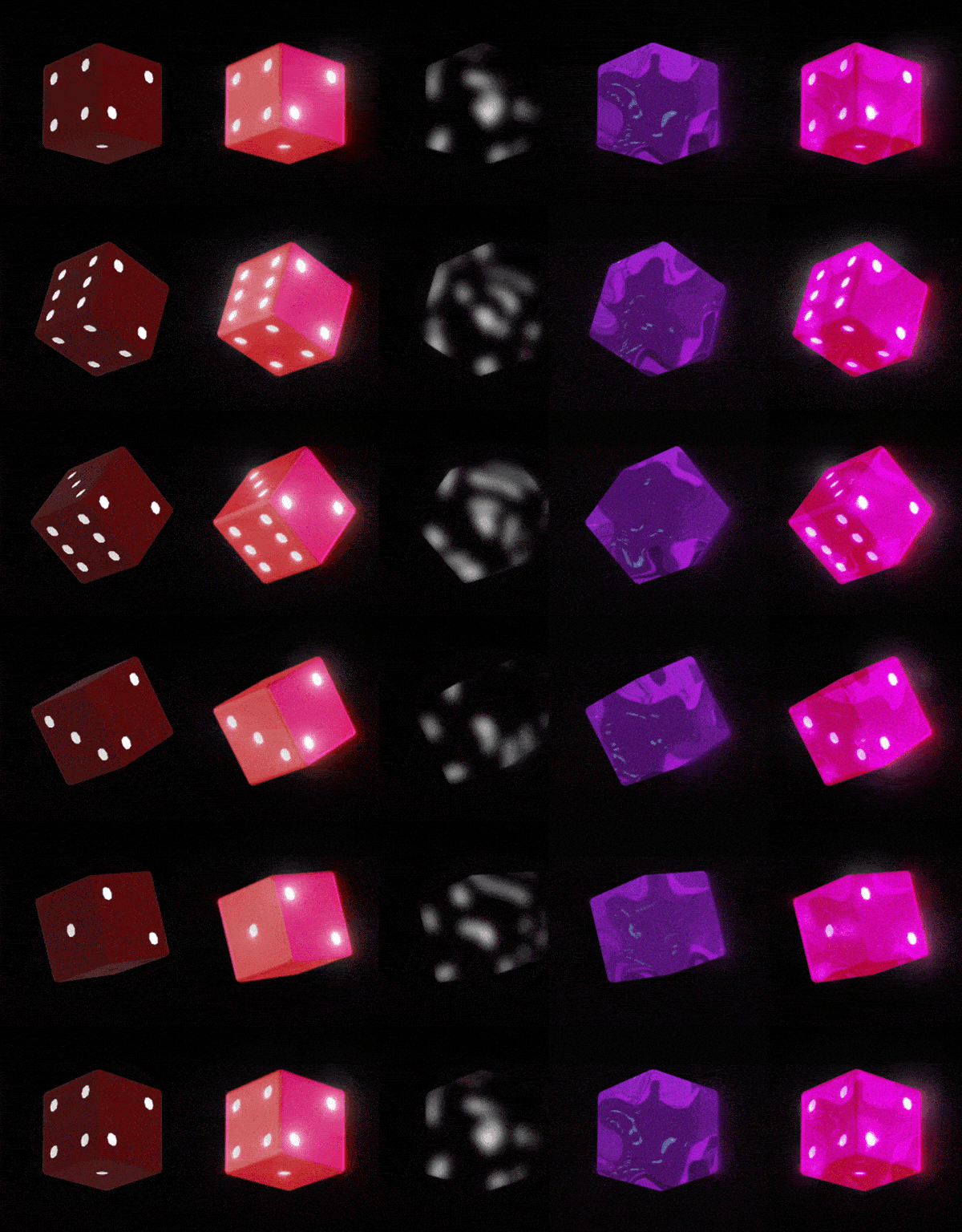
Whipping up a quick 3D dice before then utilising compositing methods to fake a translucent glass, are great examples of where you just can't prompt your way to a nice result without more time than it's worth.
Real artistry is of real value
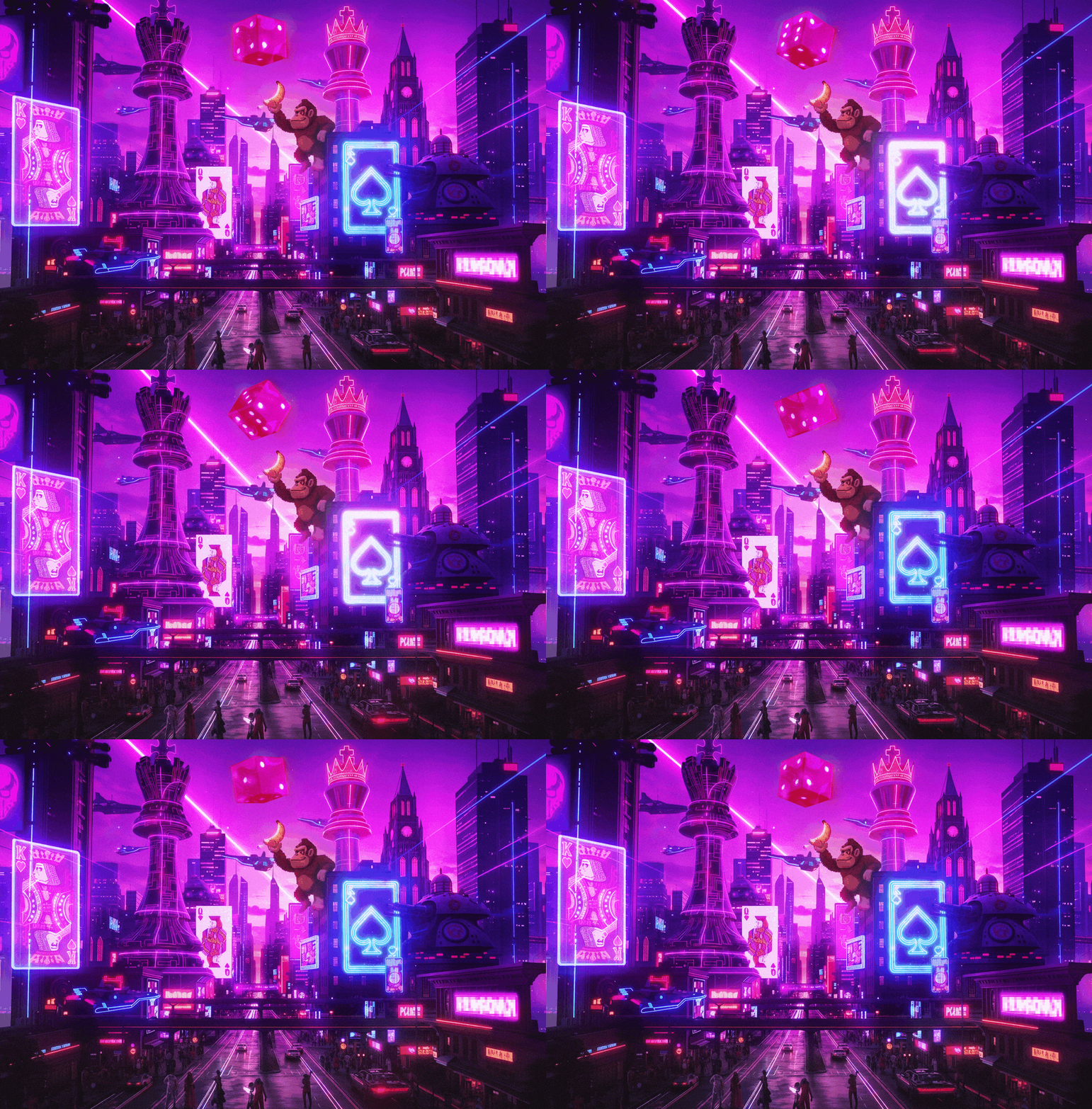
Every asset eventually landed in After Effects. This was our command center, where we composited multiple renders, hand-animated subtle details, retimed playback, graded, stylised (especially glows and vibrance), added 3D, and ensured the loops were neatly finished. All the little details that still present as the gap between where AI can go, and where real artistry takes over.
This hybrid approach allowed us to use AI for what it’s best at (infinite iteration) while relying on traditional tools for what they do best (precision and control).